Varieties of fusion images using X-ray
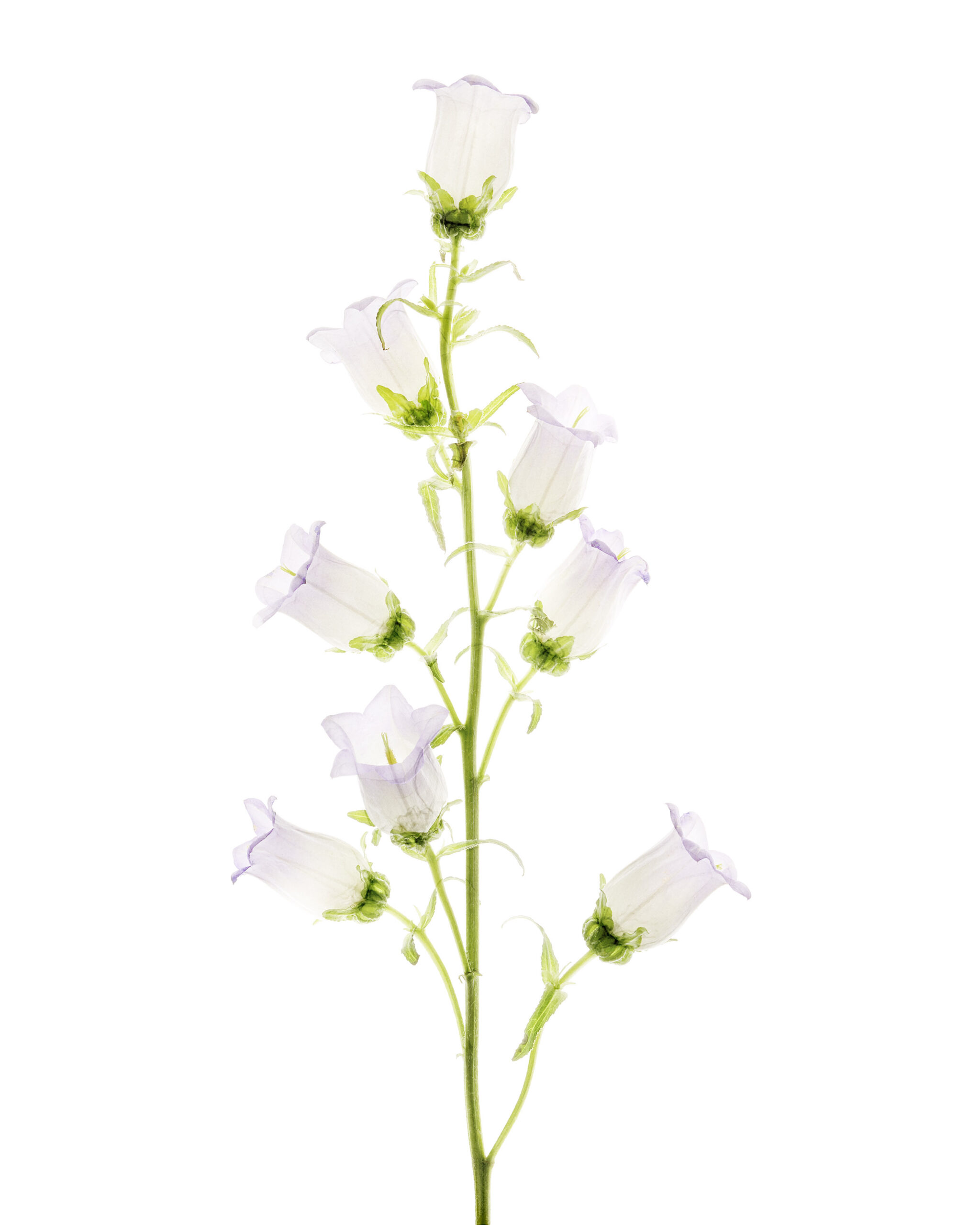
Images produced using visible light and X-rays could not be more different. And not just because of varying the subject. The fusion of these two techniques already makes it possible to present the same source material in vastly different ways.
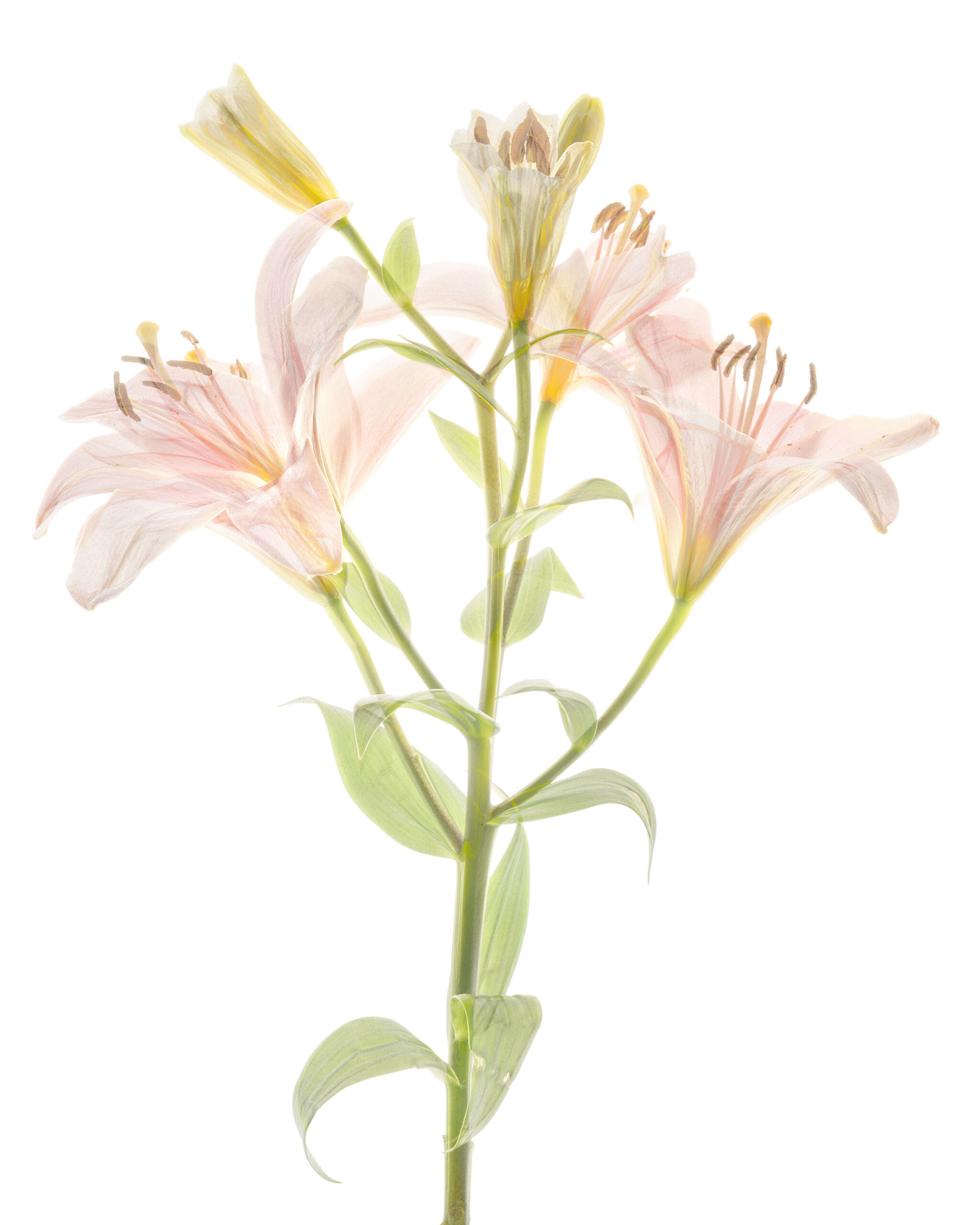
When I began developing this technique, I drew inspiration from a method of photographing flowers transparently, as practised and published by Harold Davis. My focus was on transparent flower photography and the ability of X-rays to penetrate objects seemingly without resistance.
In the case of the flowers, the fusion of the X-ray image and the photograph reveals the translucency inherent in the photographic process and, moreover, conveys a delicacy—one might almost say a fragility—of the subject.
Using only the approach to depicting flowers derived from photography and the work of Harold Davis, fusion imaging can create a small universe. The fusion of the two types of radiation in the image is by no means straightforward and also depends on the object being imaged.
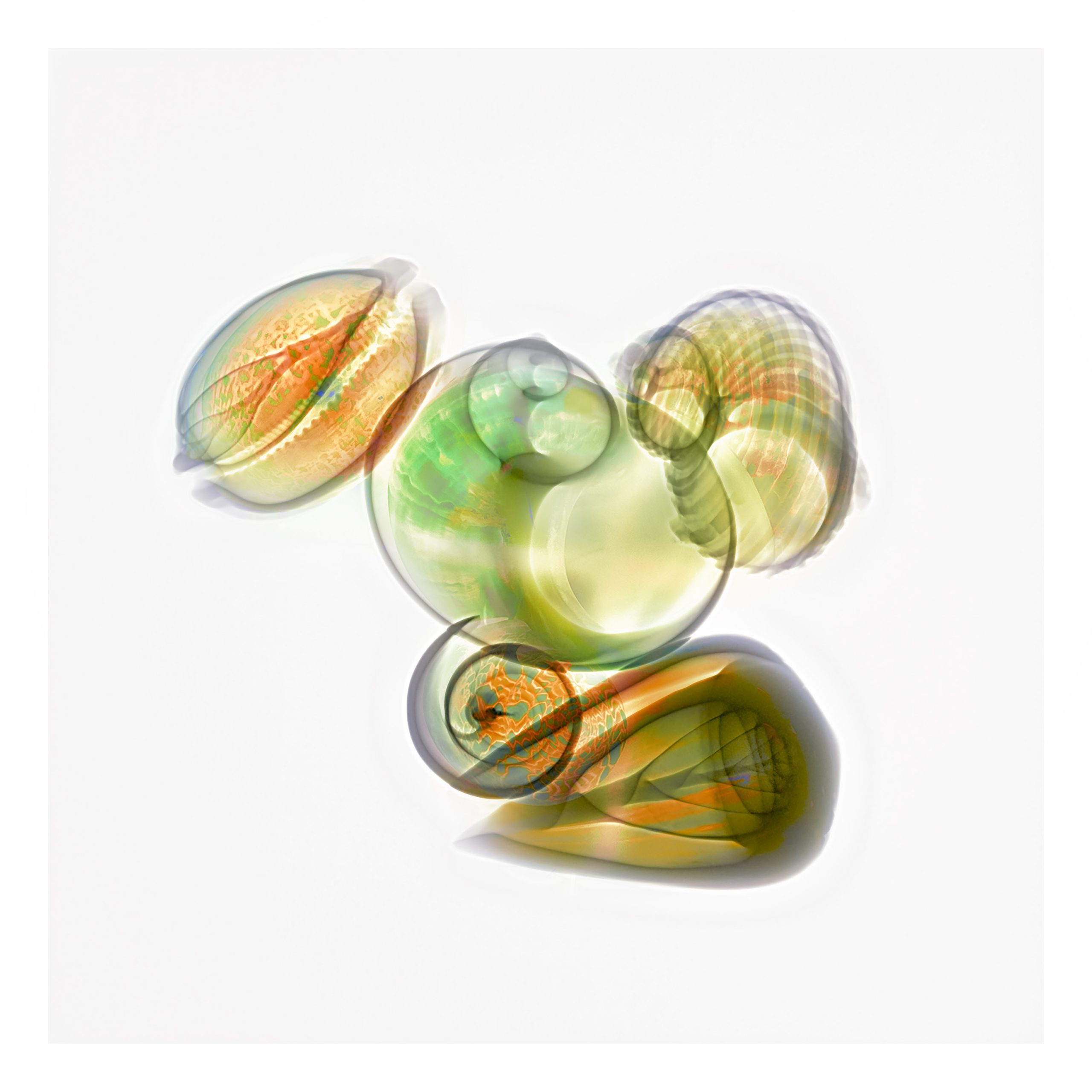
As well as flowers, there are interesting structures that never appear transparent or delicate in ordinary light. Nevertheless, they are well worth a closer look. Take, for example, the shells of snails or mussels. Under X-ray light, these become particularly striking. From the very beginning, I have also experimented with fusion imaging on these objects.
In this context, it is also true that image fusion does not follow a single, clear path, but is guided by artistic criteria. X-rays and photographs can produce vastly different effects, even when depicting the same object, depending on how they are processed.
Only a transparent object can be transformed into an image that appears transparent using a lightbox. This is inherent in the nature of how these images are created using an HDR process. This limitation can be overcome to a certain extent with the aid of X-rays.
Transcending the limits of visible light is not a straightforward process. With objects that become radiographically transparent, transforming them into an interesting composition is a demanding artistic task yielding variable results with no set formula.
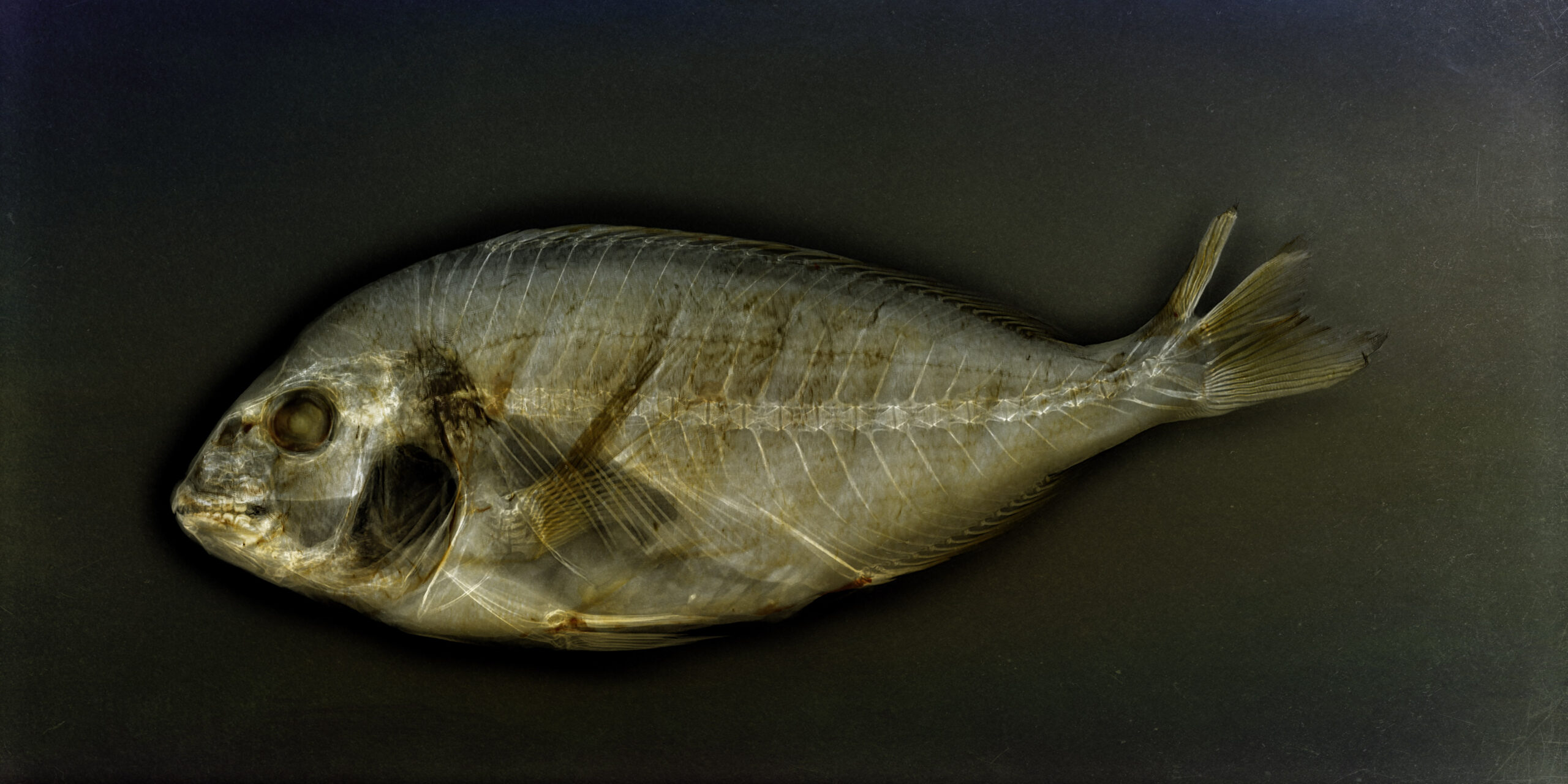
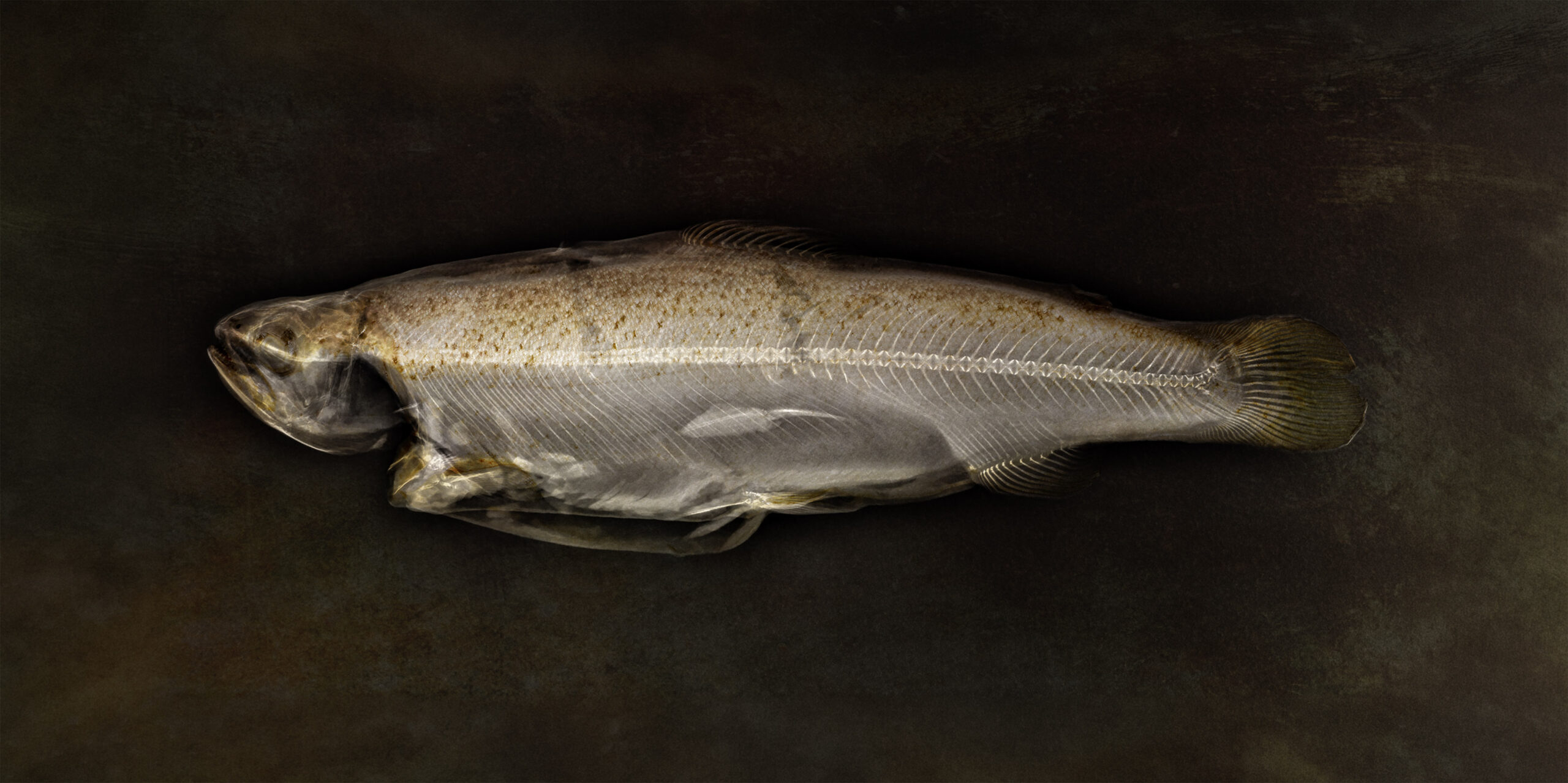
I bought these two smoked fish from a supermarket. On the left is a sea bream and on the right a trout. In this artistic fusion of photography and X-ray imagery, I added a background and some texturing. On closer inspection, you can see small tears in the muscle tissue of both fish caused by the drying out that occurs during the smoking process.
Fusion images can be created using objects that are not themselves transparent. They are visually appealing as a result of the artistic process and can sometimes even be surprising. There is no set method for creating a fusion image; instead, the approach is guided by the subject matter, the characteristics of the object being depicted, and the overall visual effect.
Julian Köpke
I like to make things visible the naked eye isn't able to see. That's part of my profession as a radiologist, too.