• Fusion imaging,  X-Ray

    Pulpo

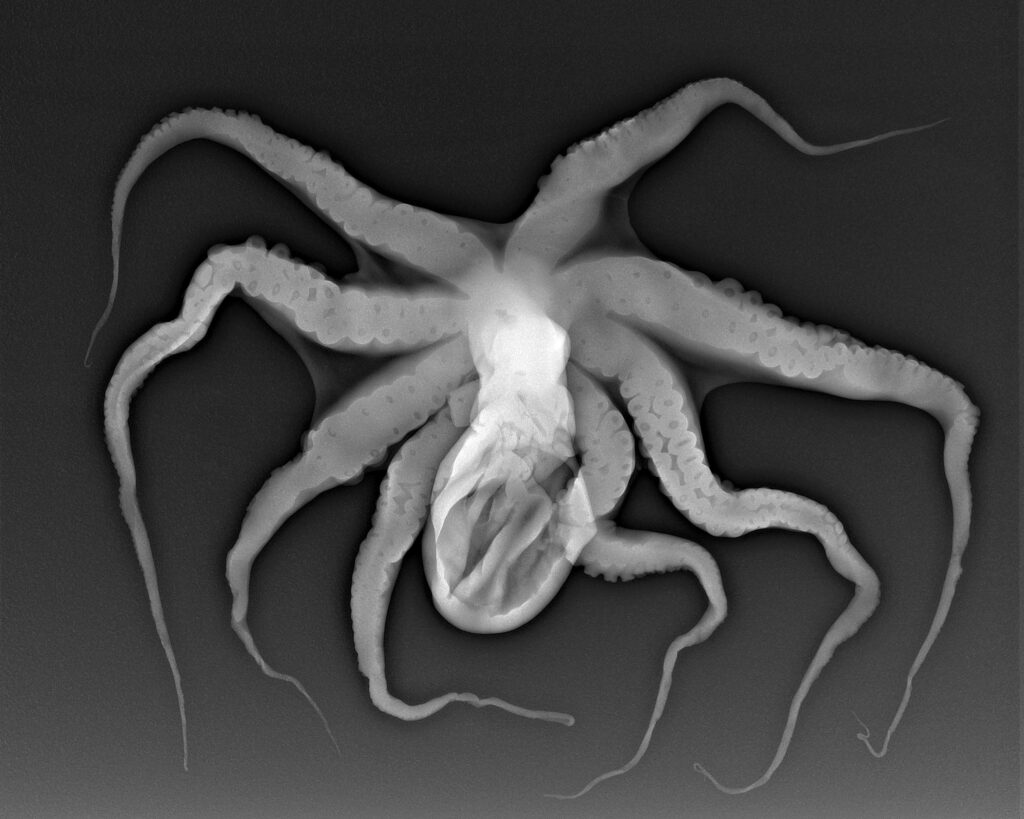
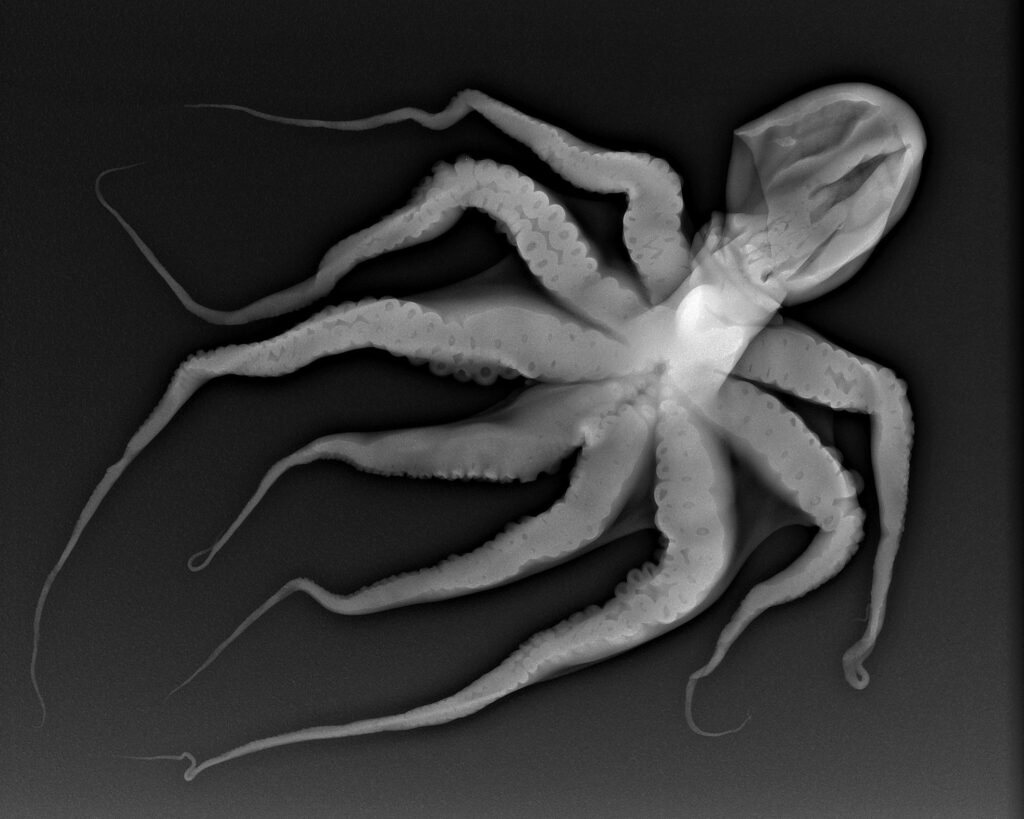
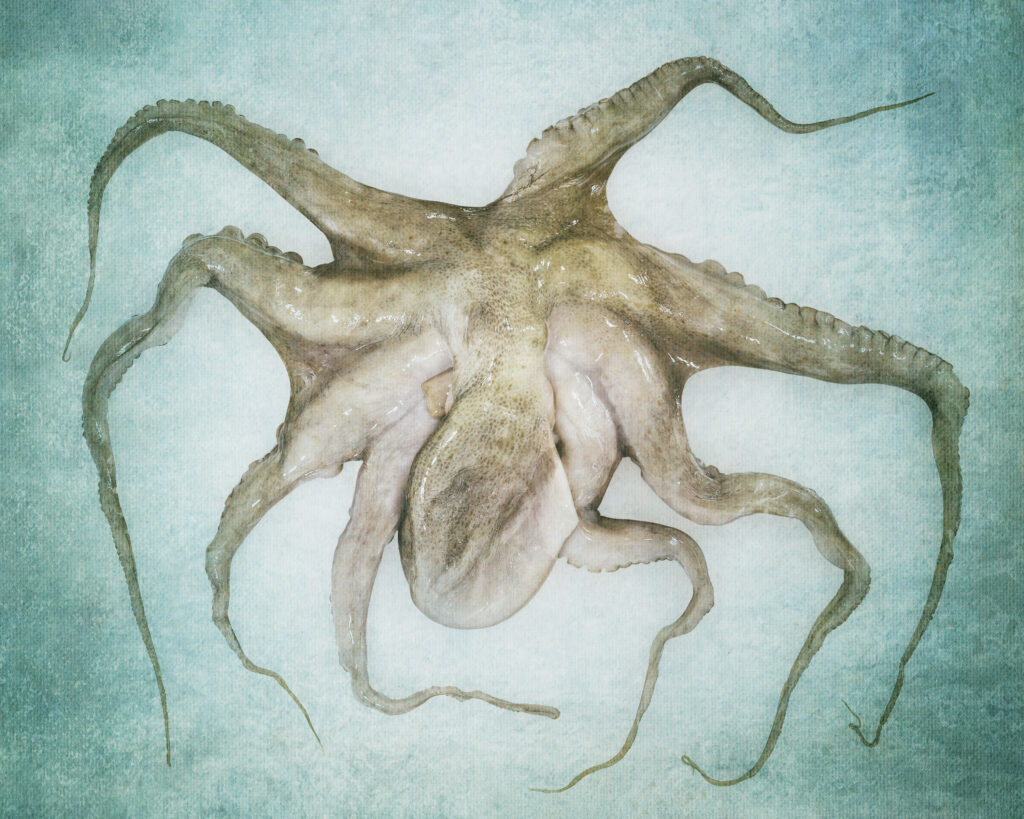
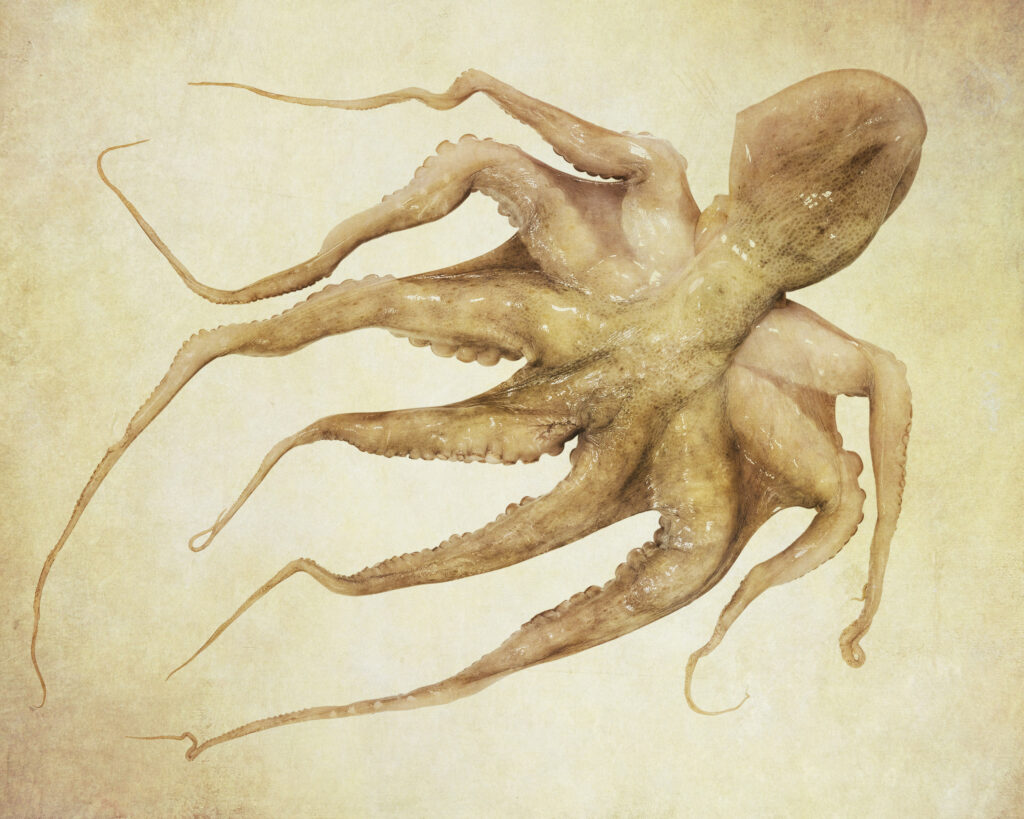
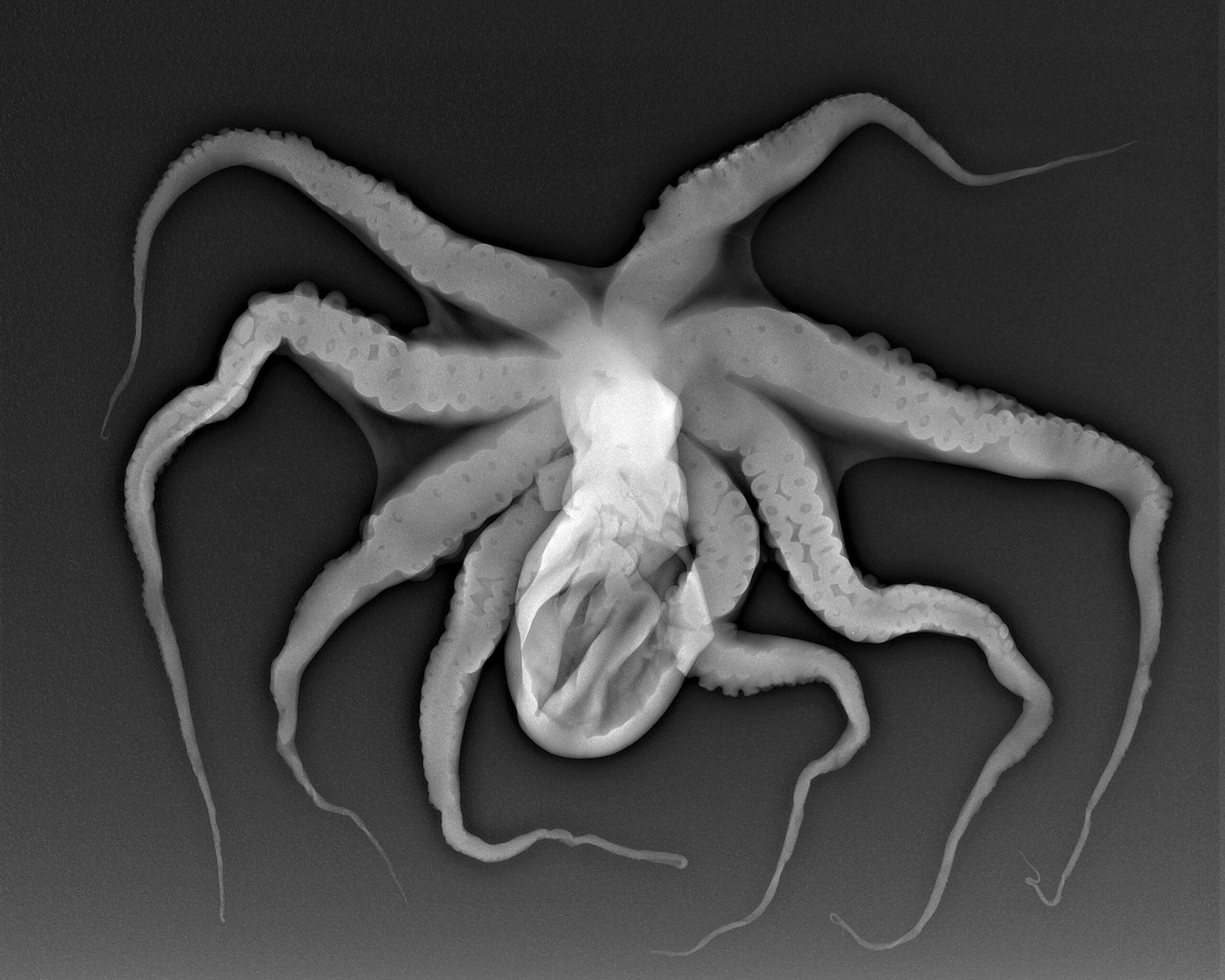
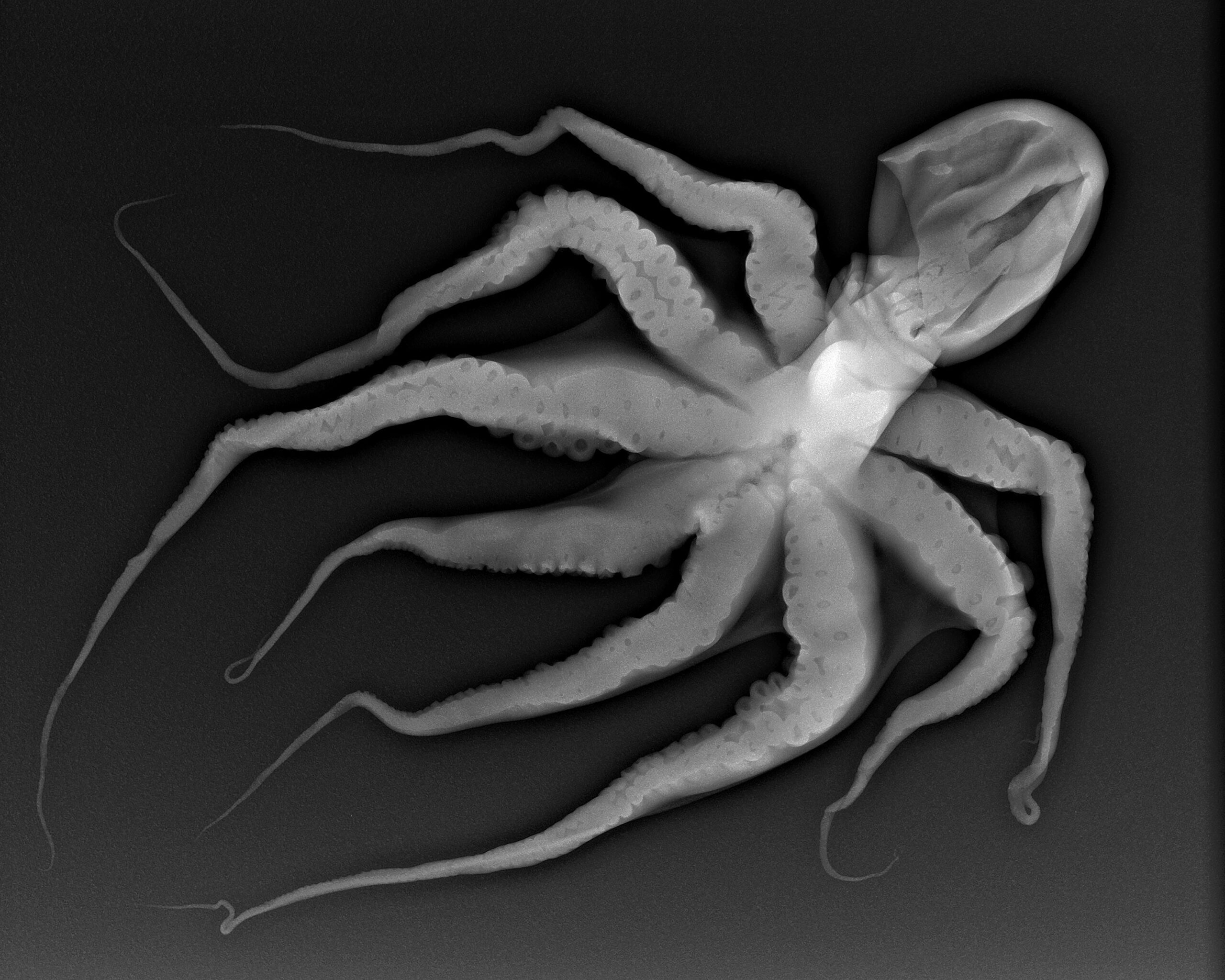
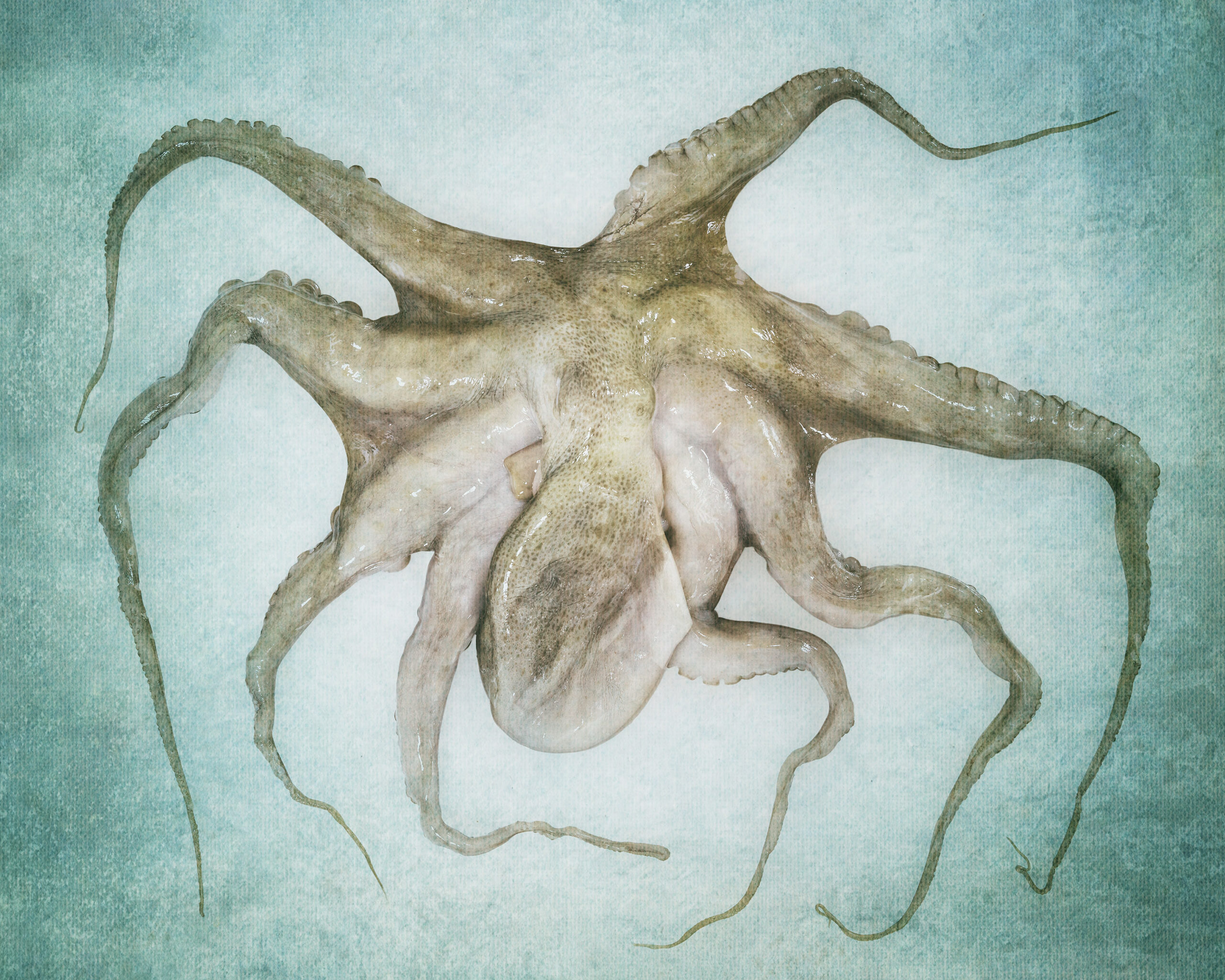
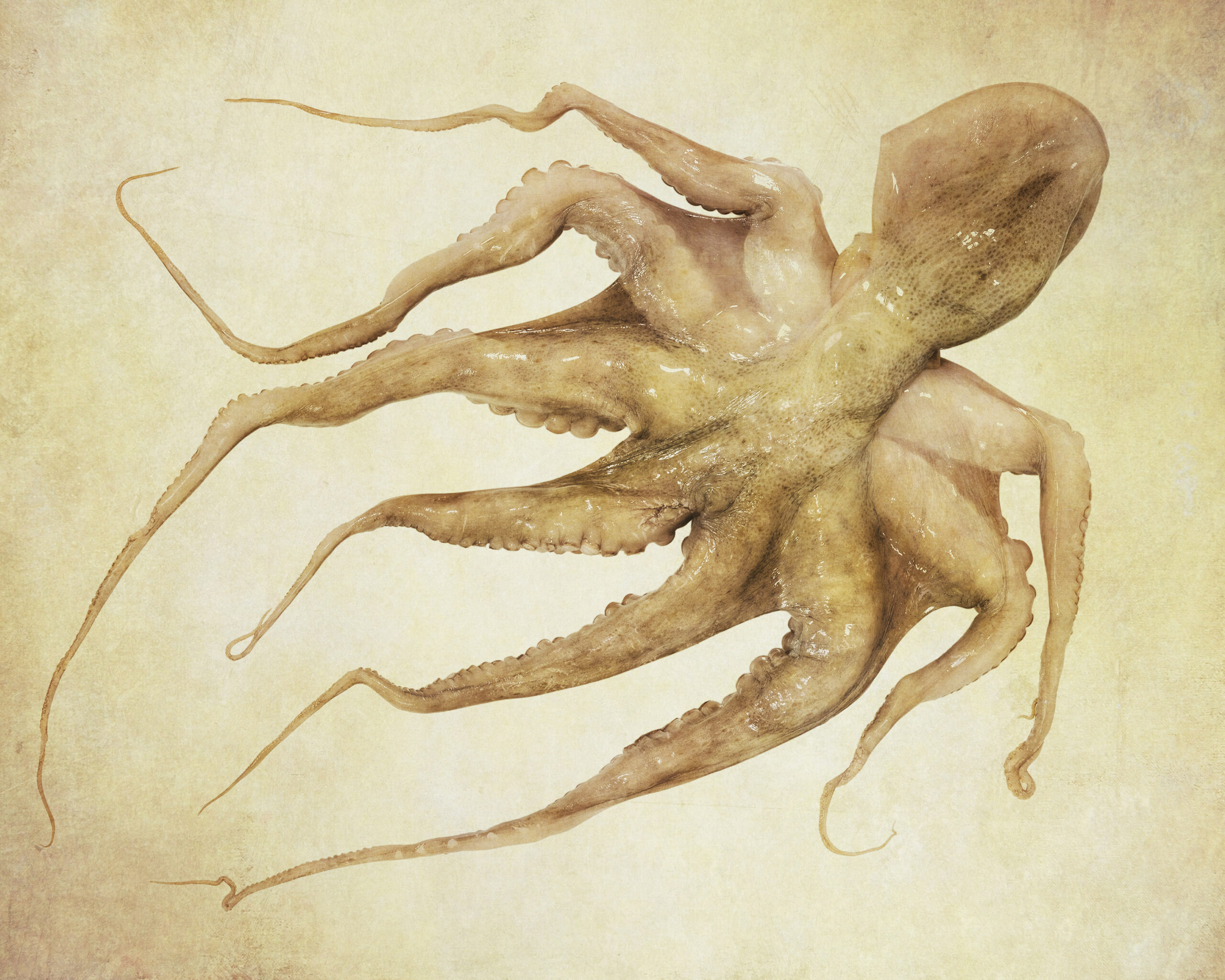
    With their appearance and the way they move, octopuses are sure to attract everyone’s attention. Perhaps some people know these cephalopods as a starter. Whilst taking the X-rays, I constantly had in mind the ubiquitous depictions of these creatures in Mycenaean culture.

    Pulpo © Julian Köpke
    Pulpo © Julian Köpke

    Her body does not show any strong contrasts on the X-ray. The suction cups still show the strongest contrasts on the X-ray. The composite image with the photograph gives only a faint hint of which images were used as a basis.

    Pulpo © Julian Köpke
    Pulpo © Julian Köpke
  • Food,  Fusion imaging,  X-Ray

    X-ray of vegetables and boxes

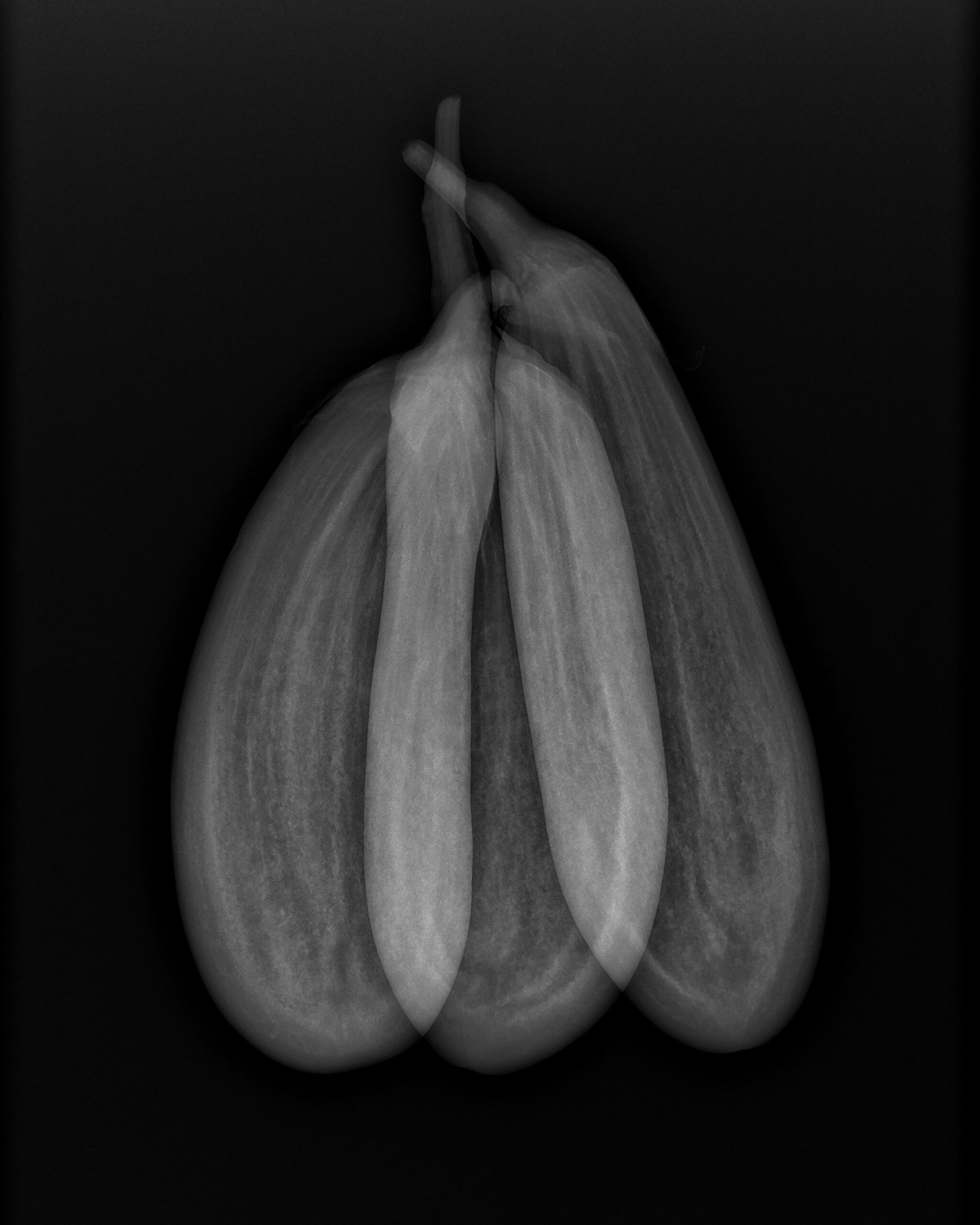
    X-rays make a dense object appear see-through or transparent. We find it hard to look away from X-ray images because we are always discovering something new in them.
    Combining an X-ray image with a photograph is therefore an approach that captures the viewer’s interest.

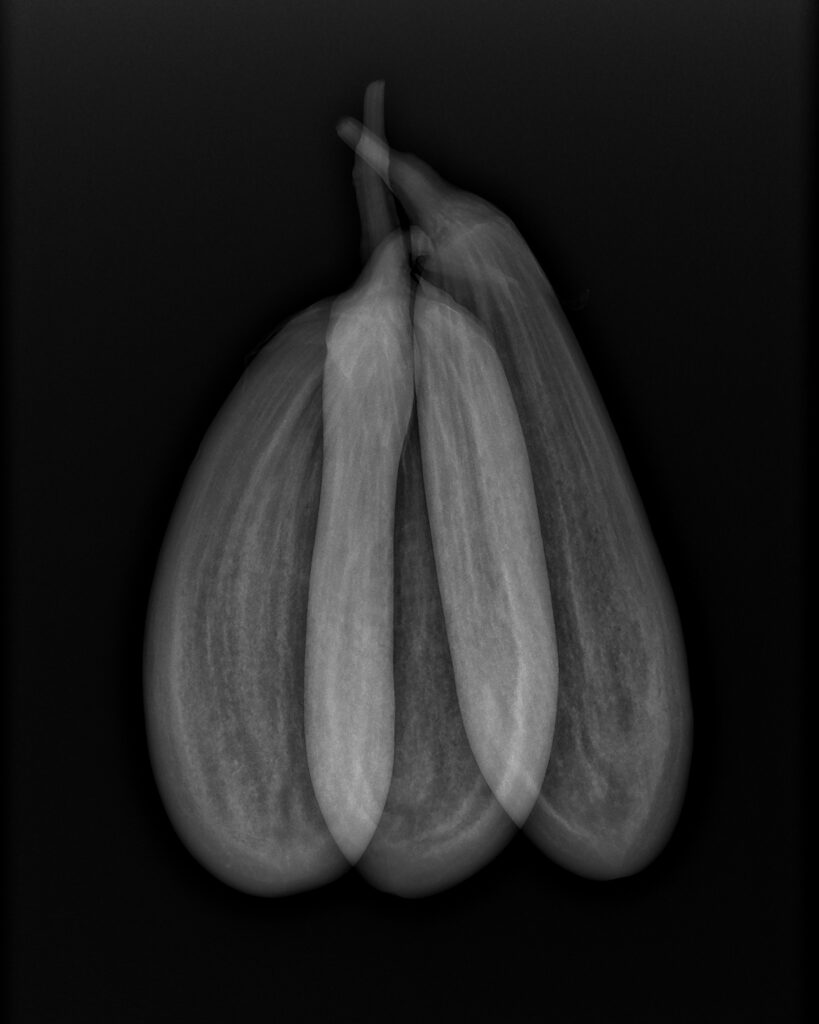
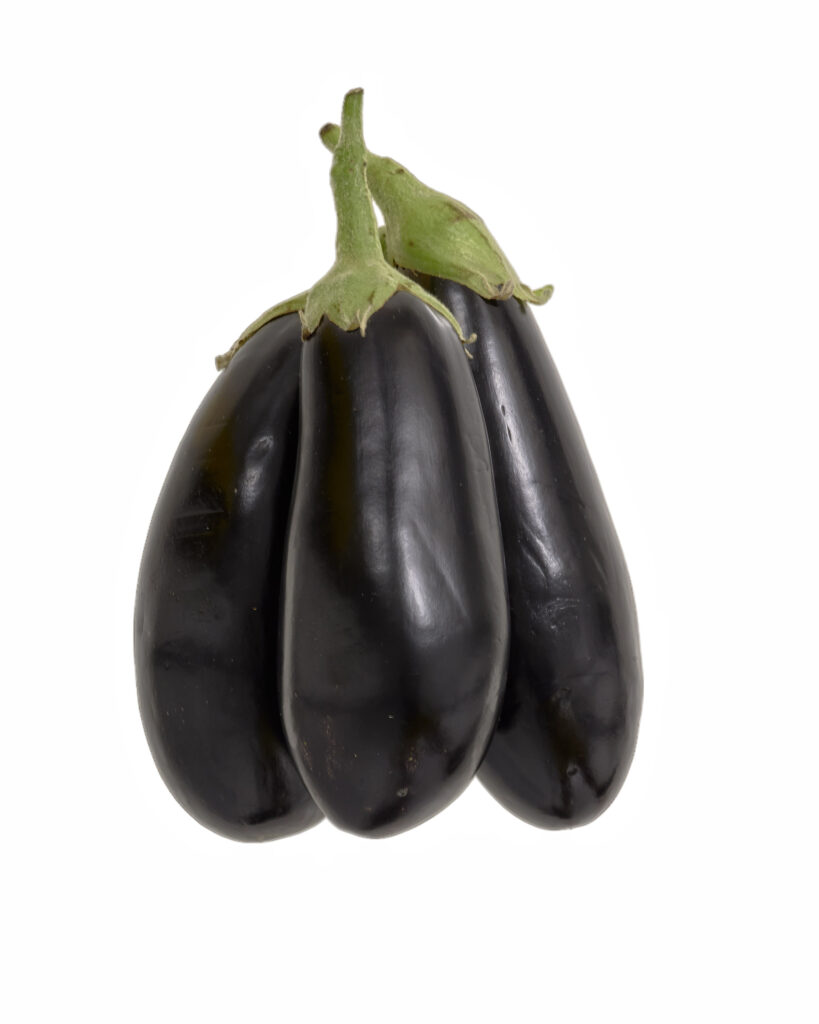
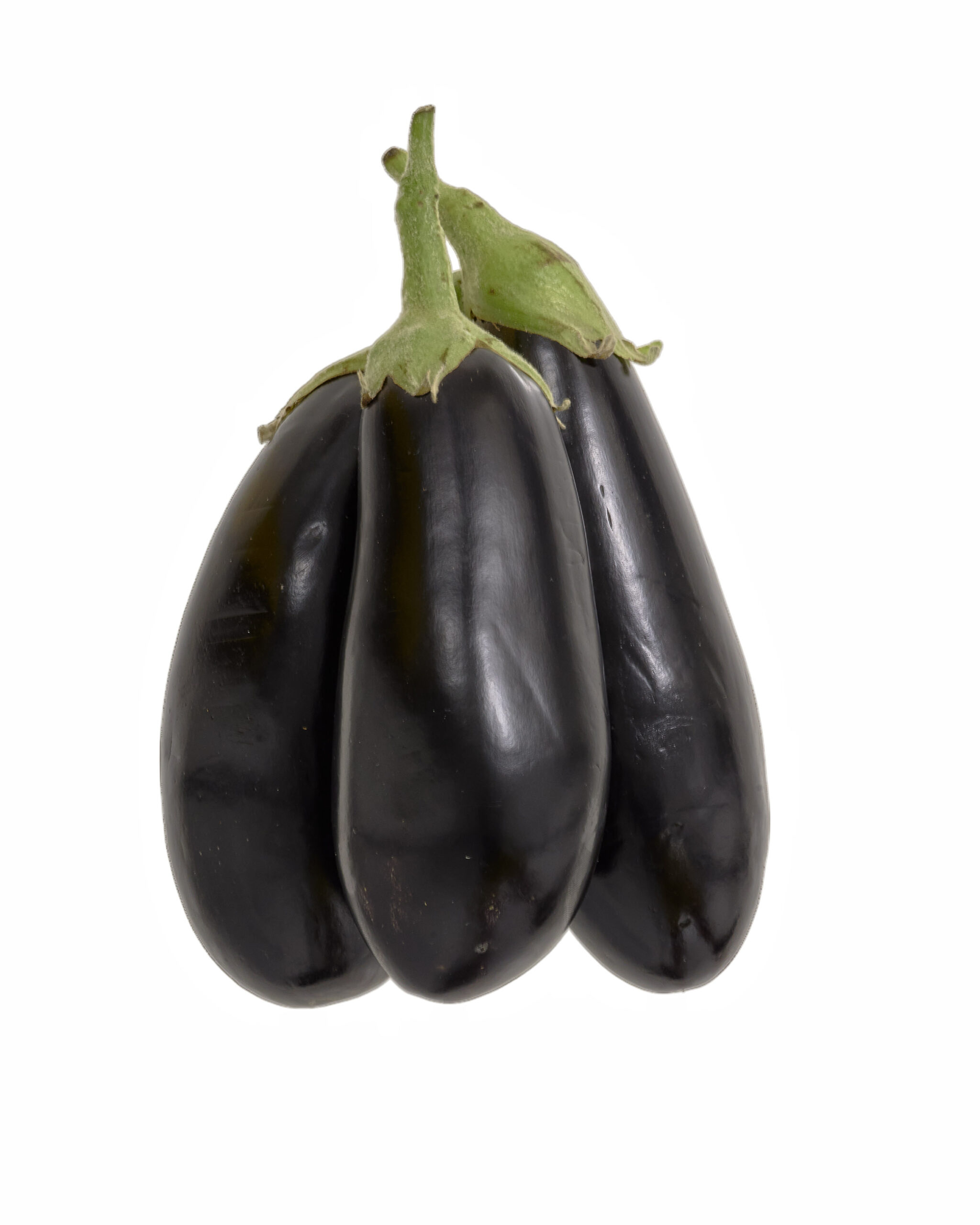
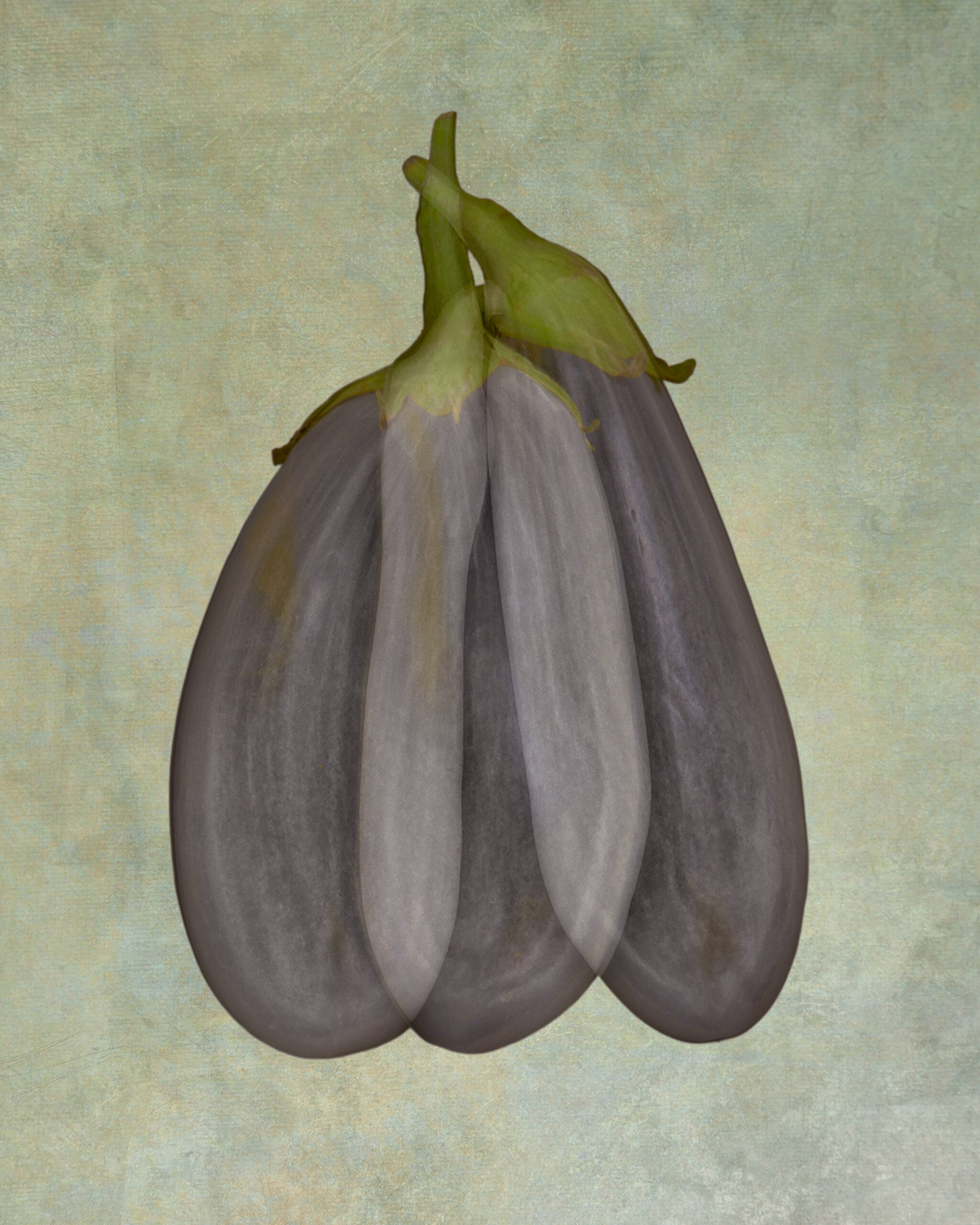
    There are some great recipes for aubergines; even served as thin slices with honey, they make for a real treat. The inside of these vegetables is of moderate interest on an X-ray. I’ve stacked them to introduce variations in density as an additional element.

    X-ray of aubergines © Julian Köpke
    Aubergines © Julian Köpke

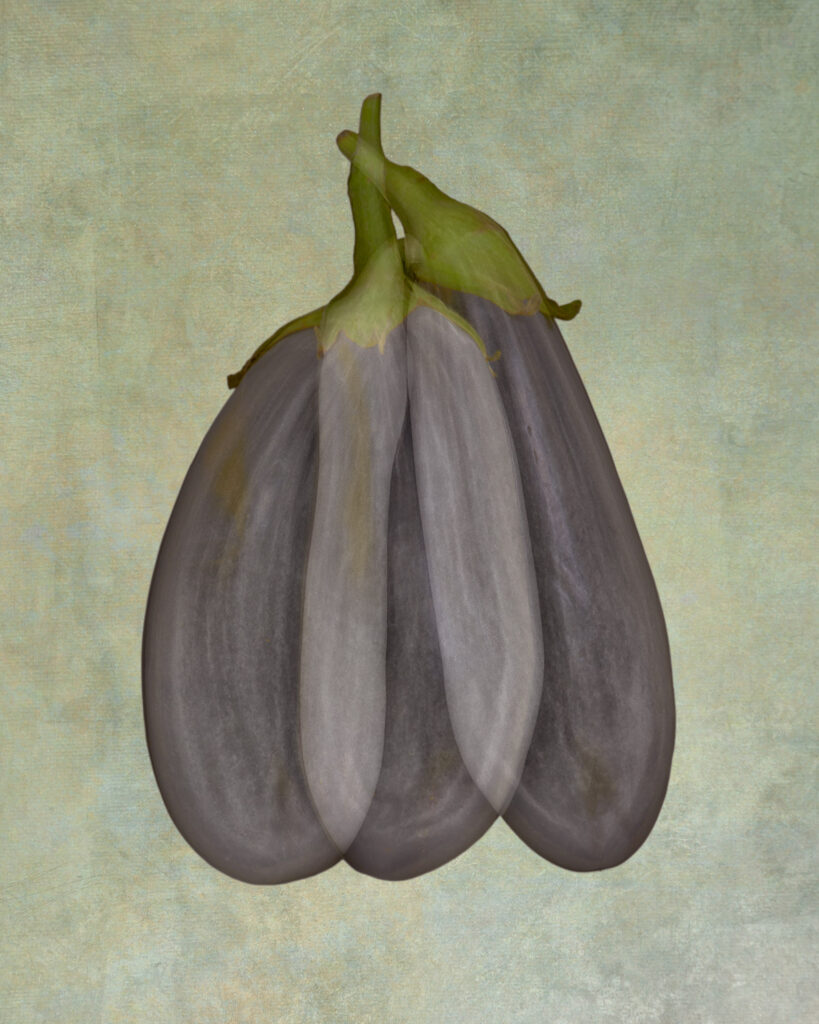
    With a little creative flair, you can combine the two images to create a semi-transparent image with attractive colours.

    Aubergines X-ray fusion photography © Julian Köpke

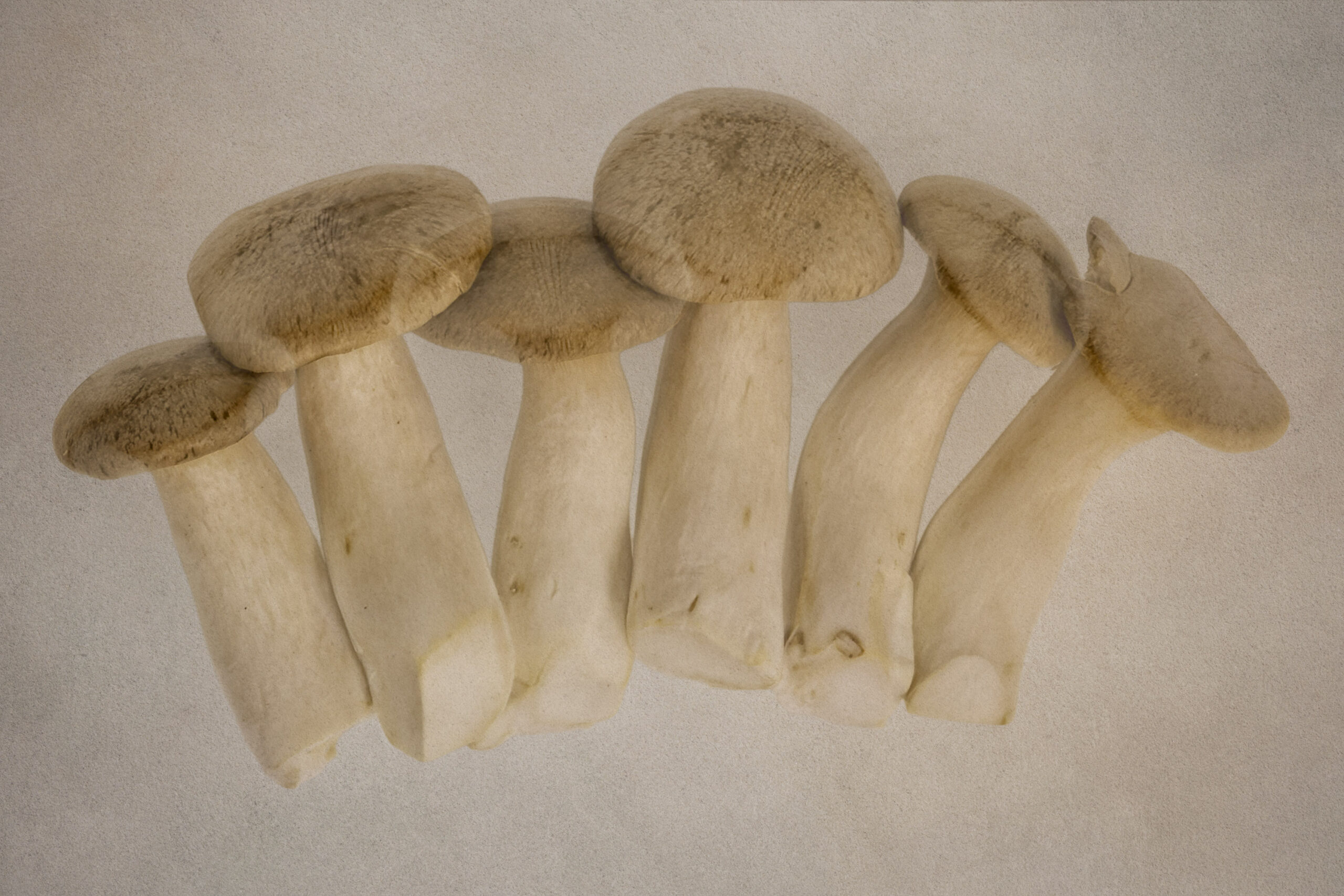
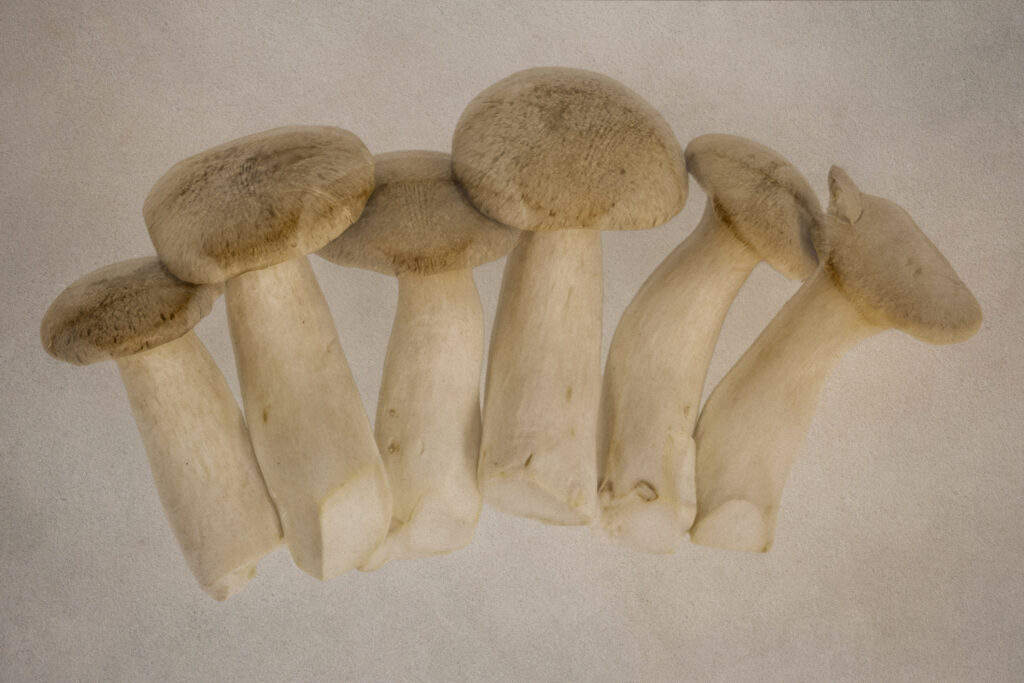
    Mushrooms have a similar soft texture to that of aubergines and show fewer changes in density when stacked.

    Mushrooms X-ray fusion photography © Julian Köpke
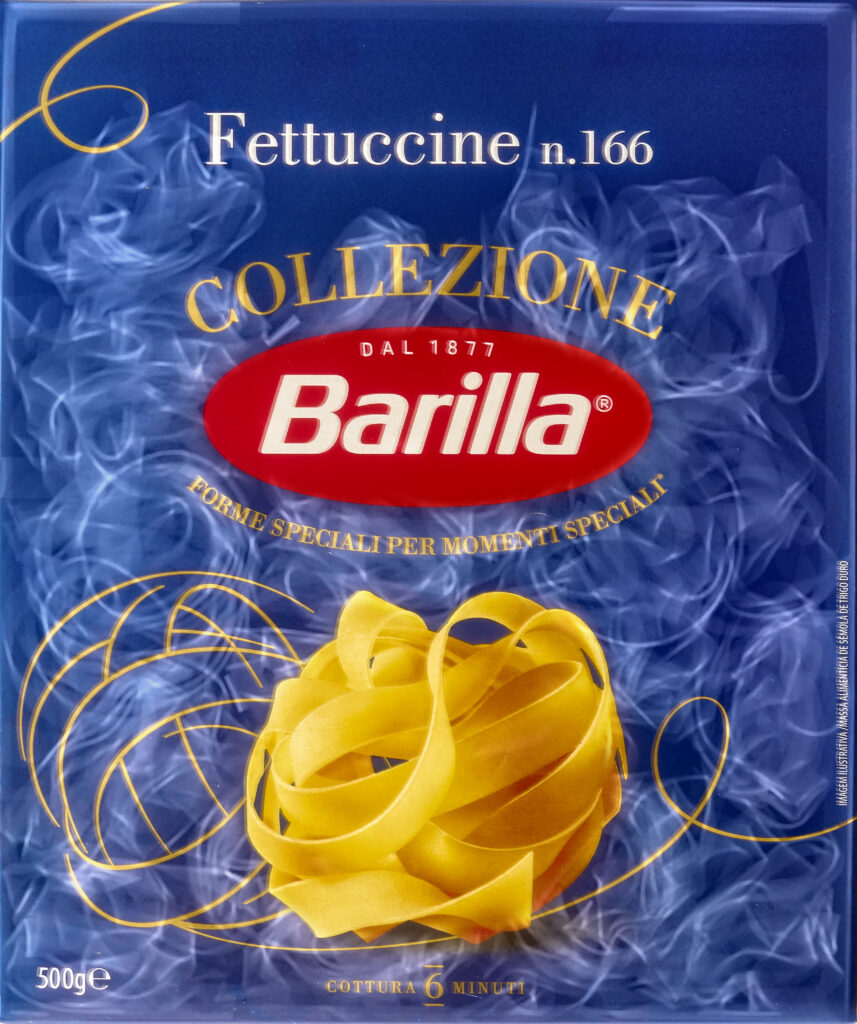
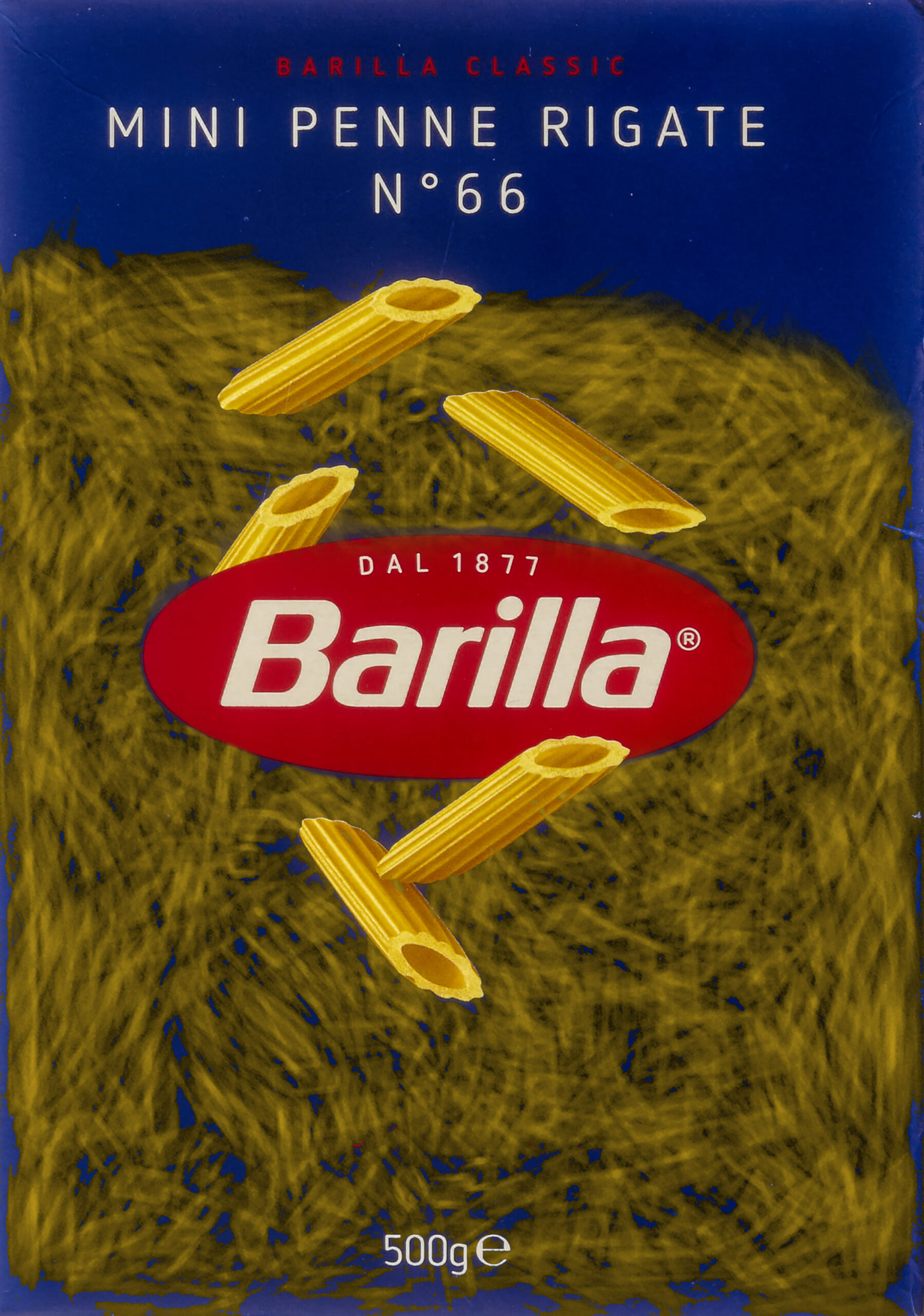
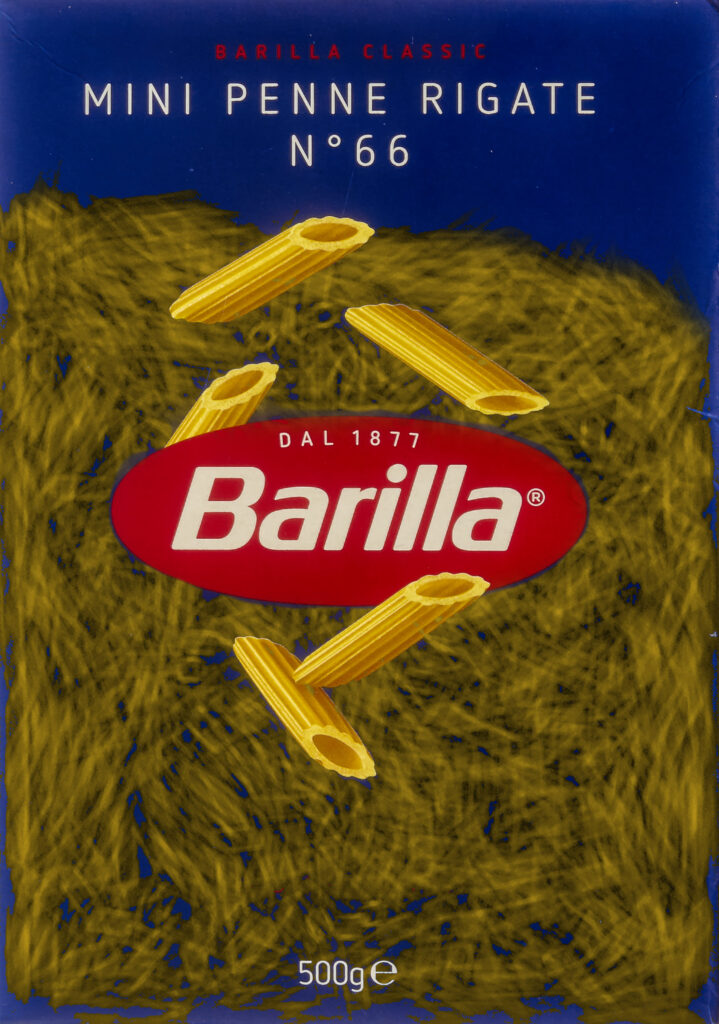
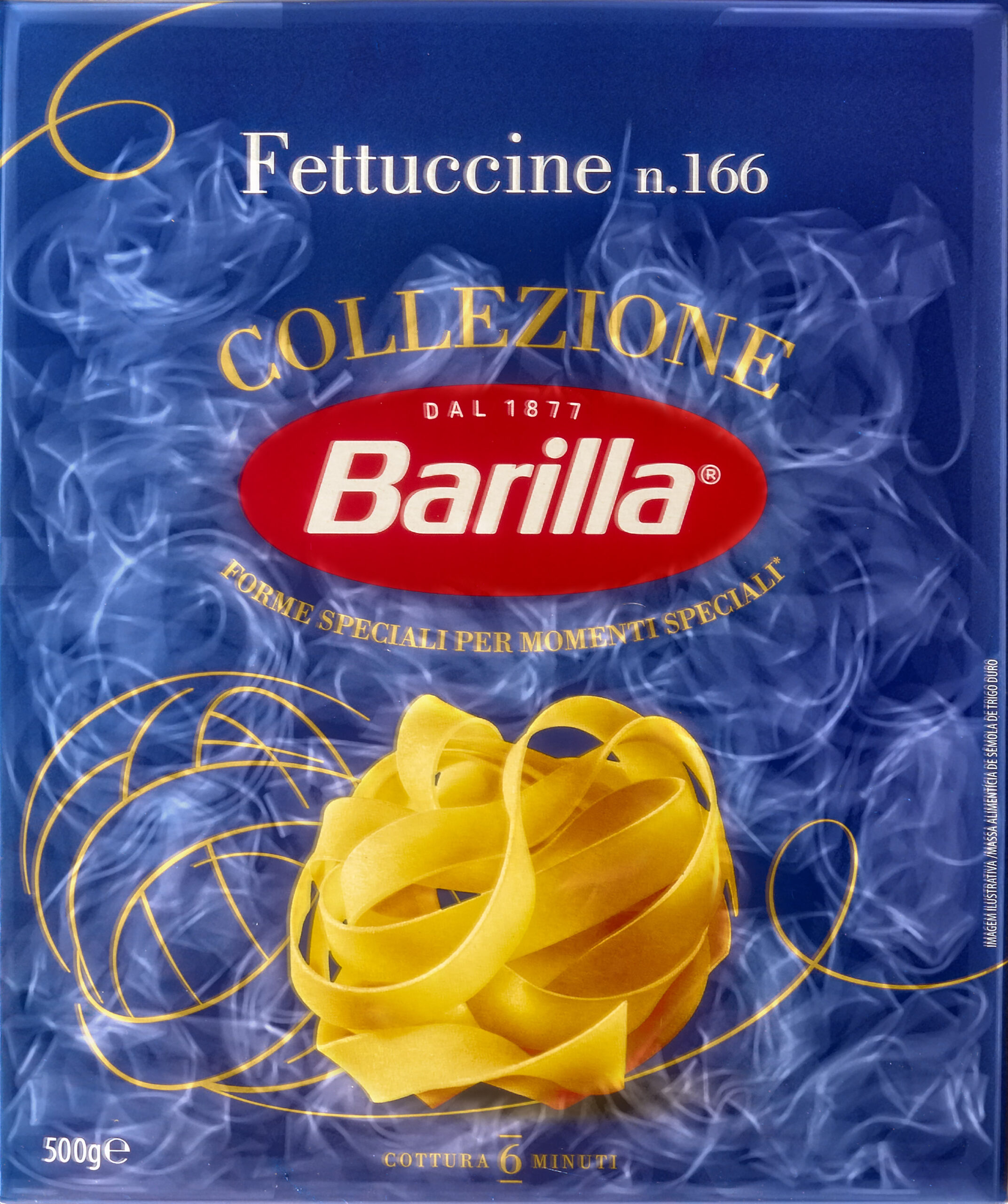
    Going more wild with fusion images, you get a fresh perspective on packaging and its contents. What do the pasta look like? How are they arranged in the packet? How much is actually in there? Is it even any fun looking at pictures like that?

    I haven’t yet found a definitive answer to these questions. Depending on how they are processed, the images can certainly be aesthetically interesting.

    Mini Penne Rigate n. 66 © Julian Köpke
    Fettuccine n.166 X-ray fusion photography © Julian Köpke
  • X-Ray

    Colorizing an X-ray

    There are famous artists who demonstrate how X-ray images can be coloured. Steven N. Meyers is one of them. The use of colour makes his floral images appear airier and more realistic, with the X-ray aspect receding into the background. Perhaps they appear more realistic for another reason too: the X-ray is a negative and is converted into a positive for the colouring process.

    This is how I went about it with a creative image combining flowers,  a snail and some plants.

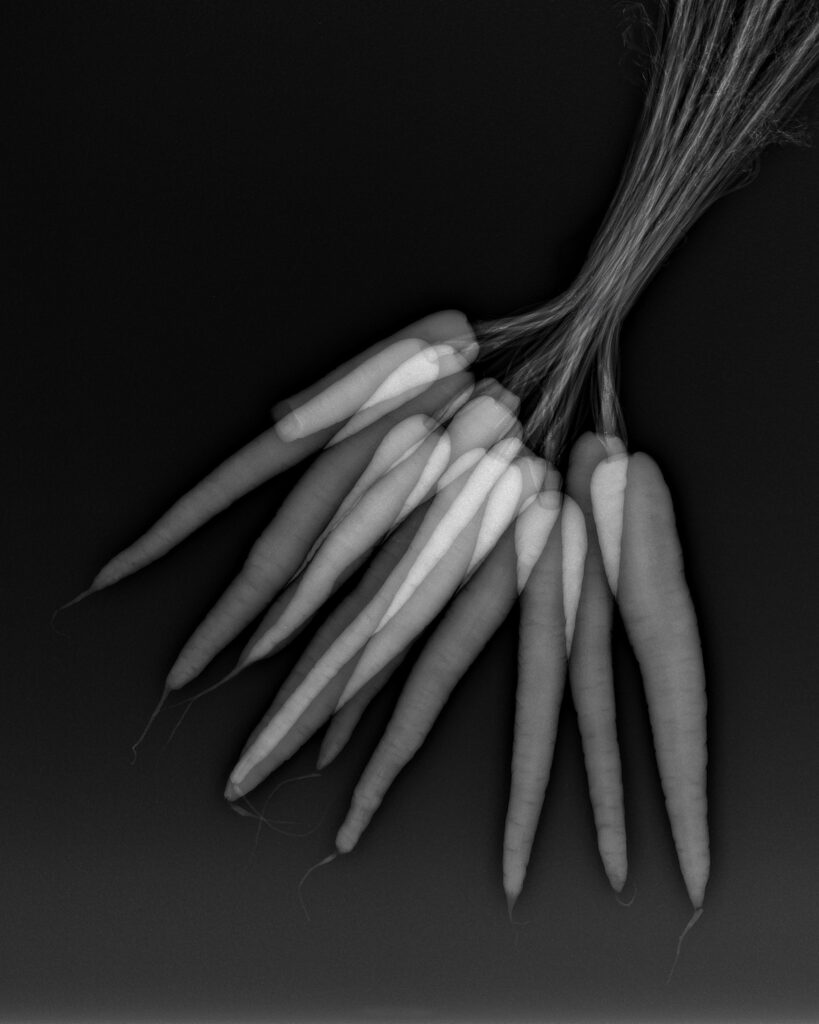
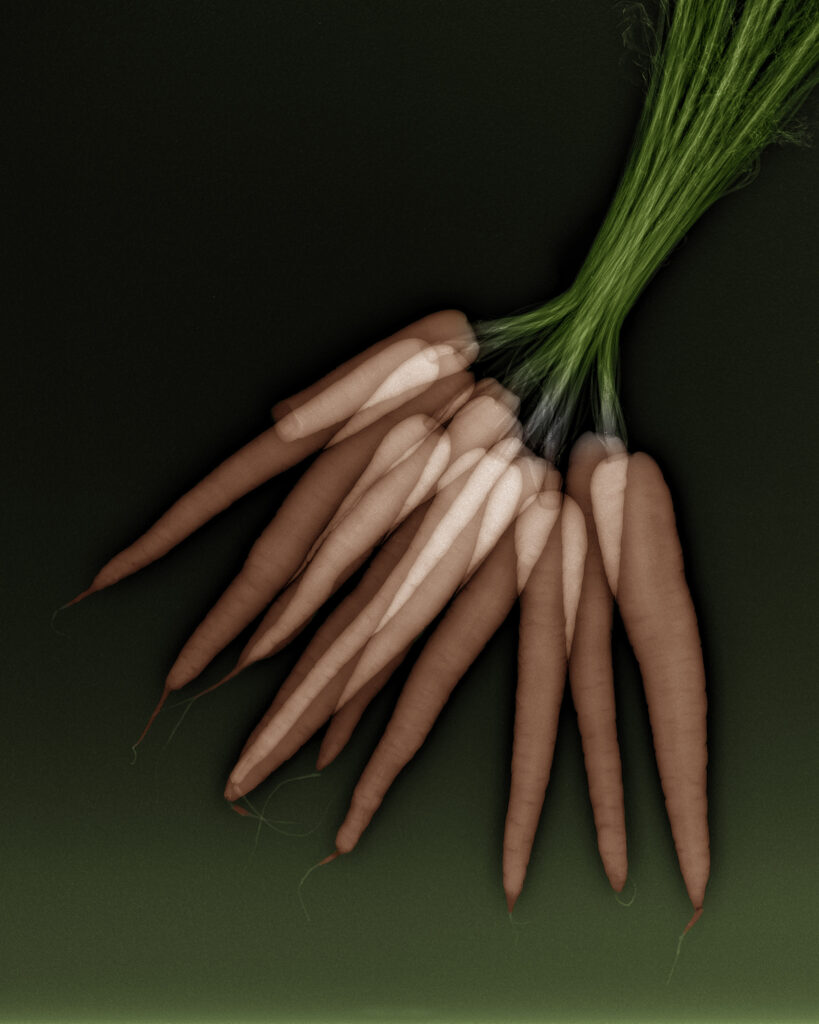
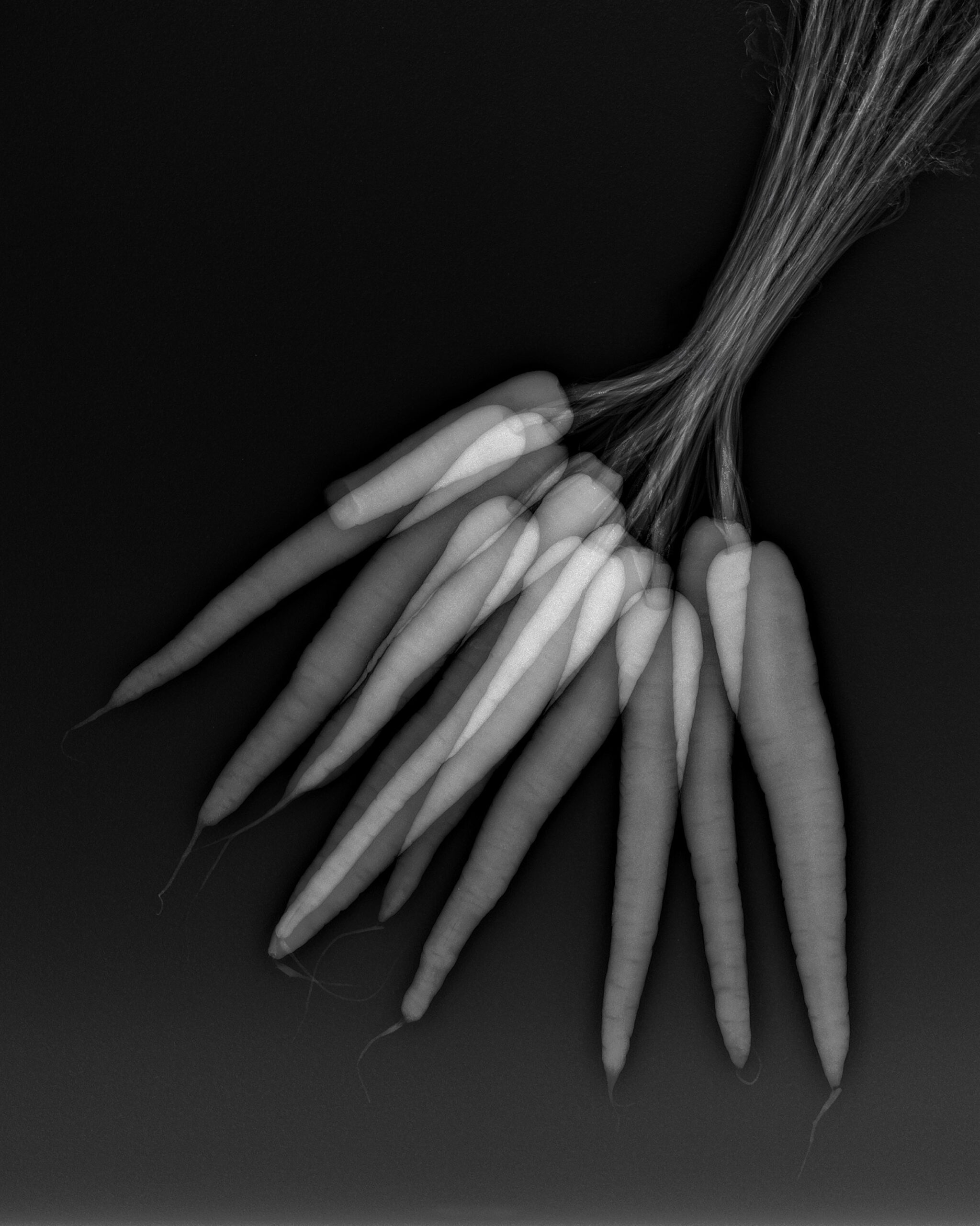
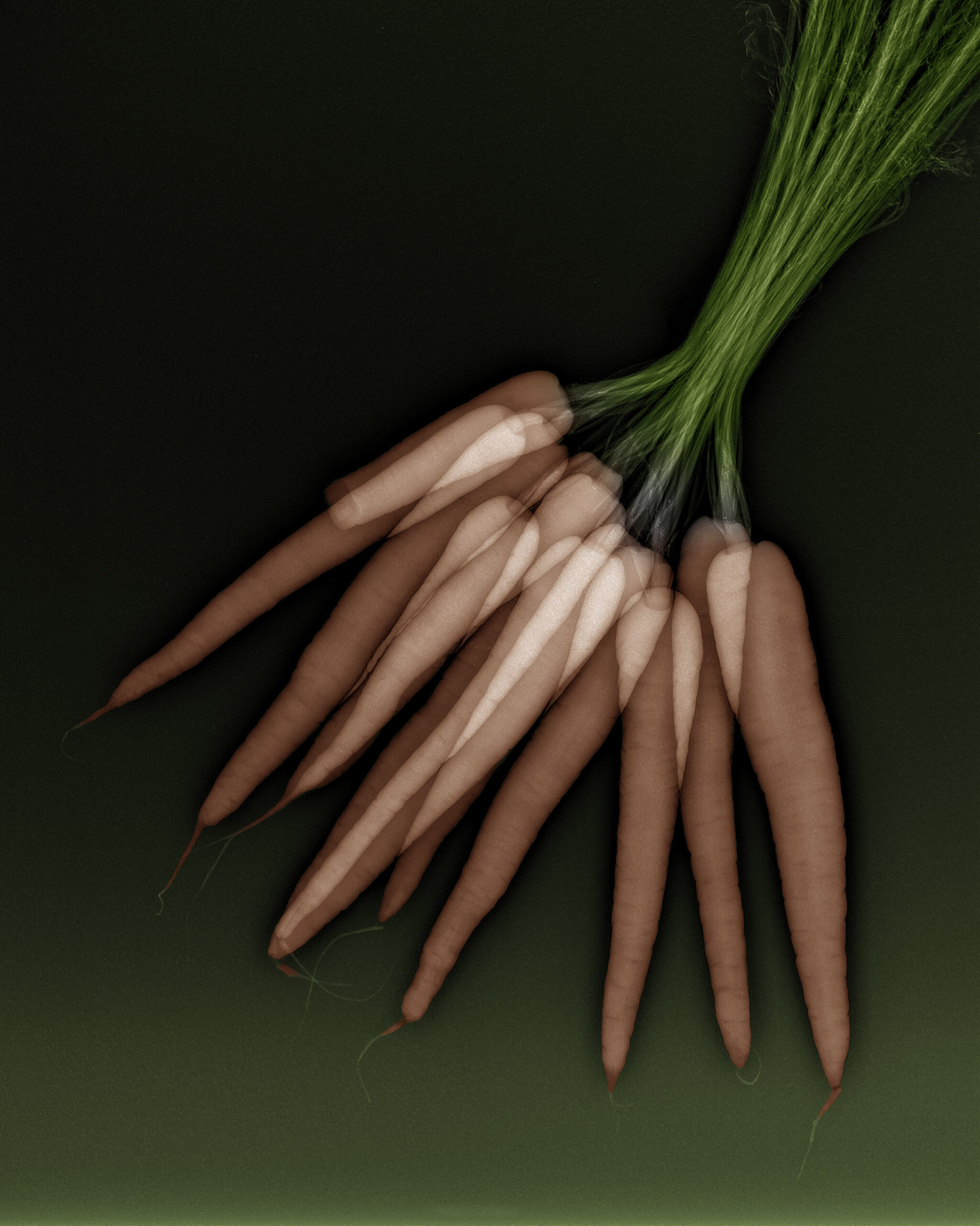
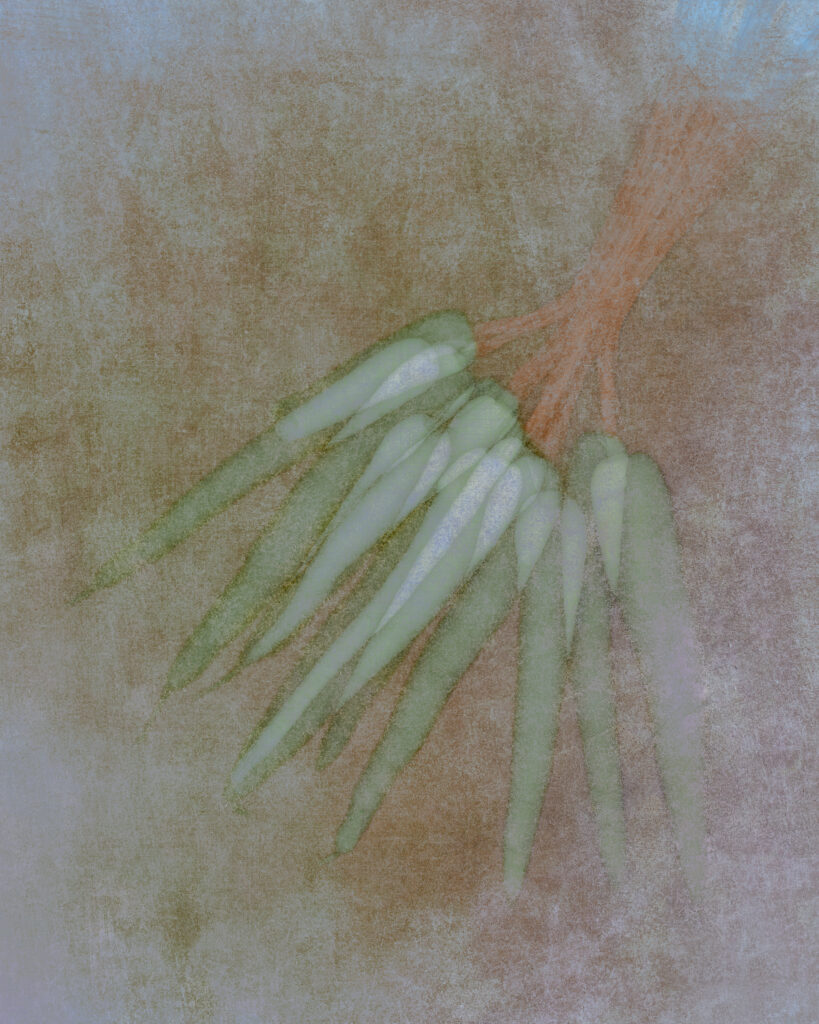
    An X-ray image of carrots shows coarse roots with few differences or interesting details. When the carrots are stacked, irregular overlaps appear, revealing areas of increased density. Using simple colouring produces a rather uninteresting image if the colours are kept close to the natural hues.

    Bunch of carrots © Julian Köpke
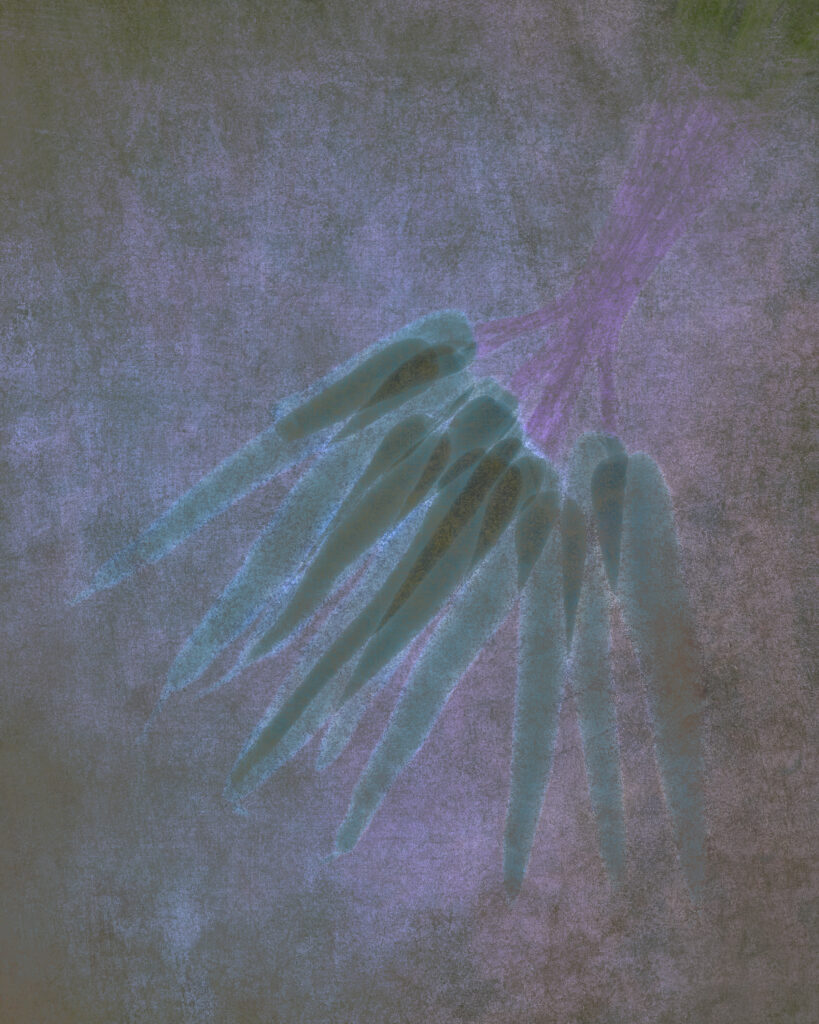
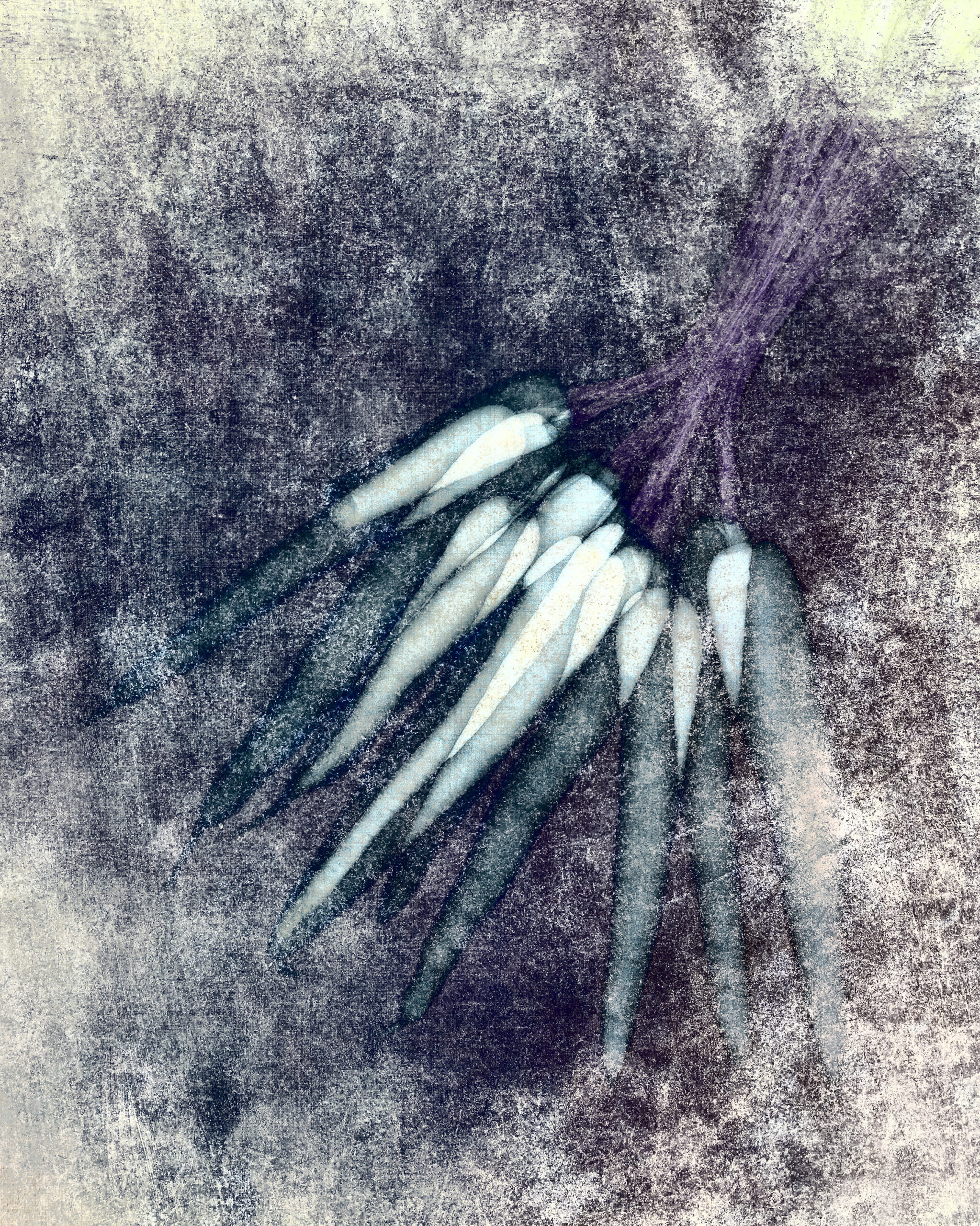
    Bunch of carrots texturized © Julian Köpke
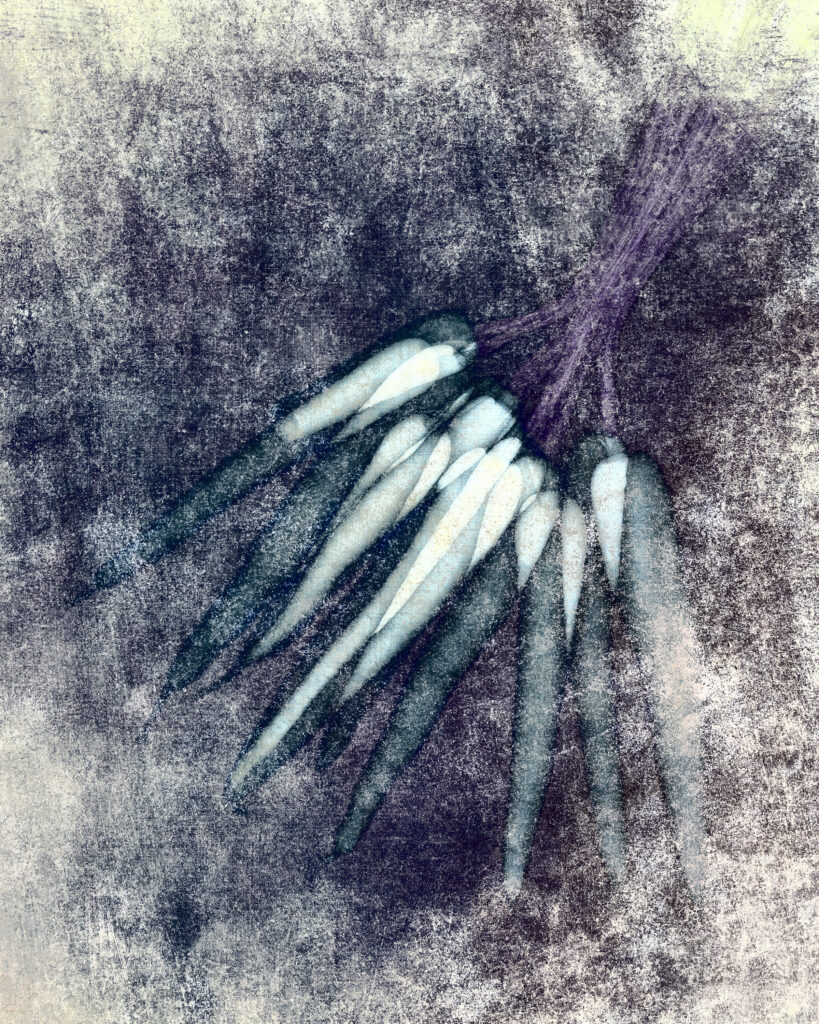
    The example of a bunch of carrots probably just highlights my limited ability to use images creatively in Photoshop. That’s why I’ve included only a few examples of how to take this colouring technique further.

    In the image on the left, I’ve used textures and increased contrast. This makes the overall image look quite different from the original – in particular, it appears very restless. In the image on the right, I’ve used colour contrasts to create a look reminiscent of Pop Art.

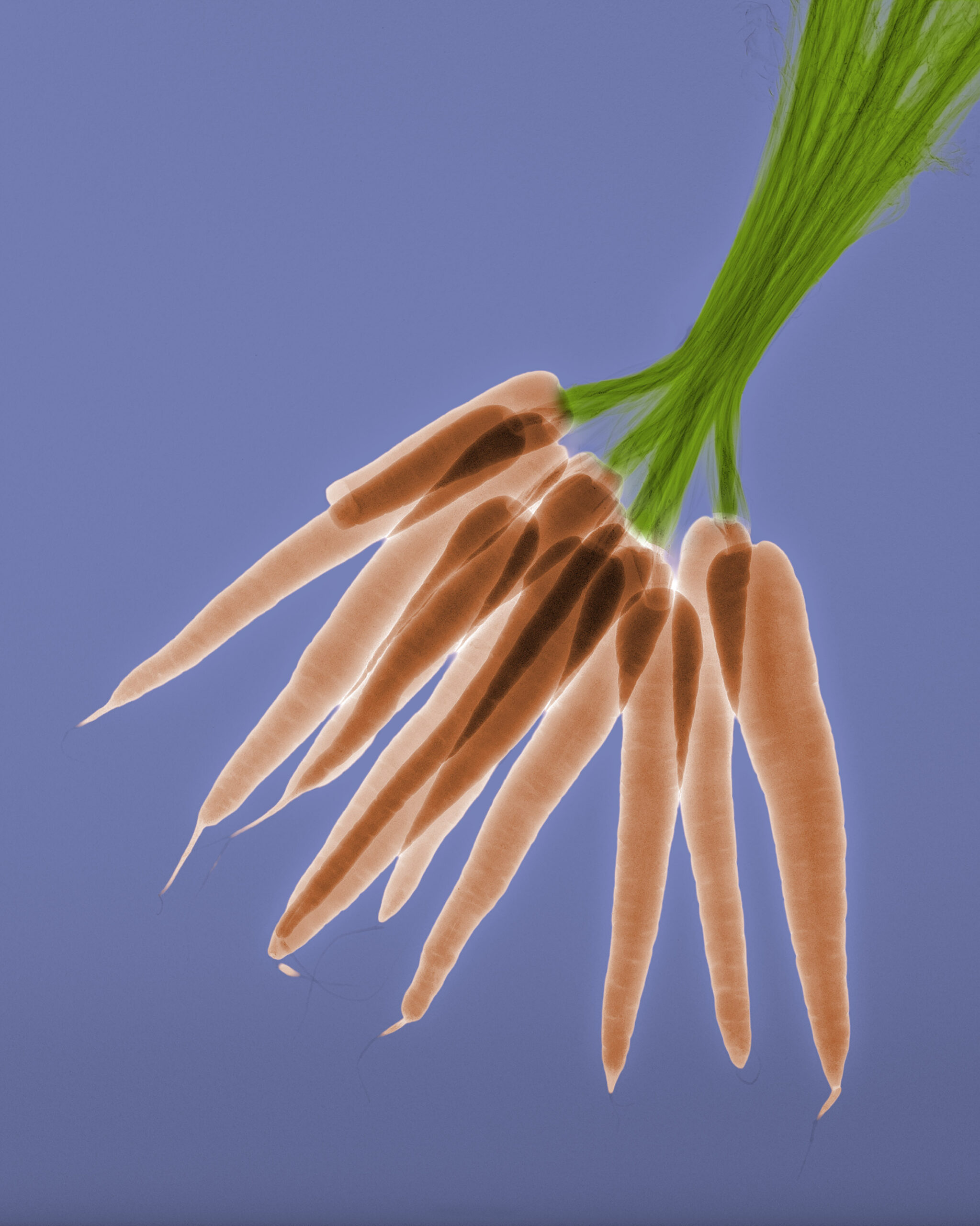
    Bunch of carrots © Julian Köpke
    Bunch of carrots © Julian Köpke
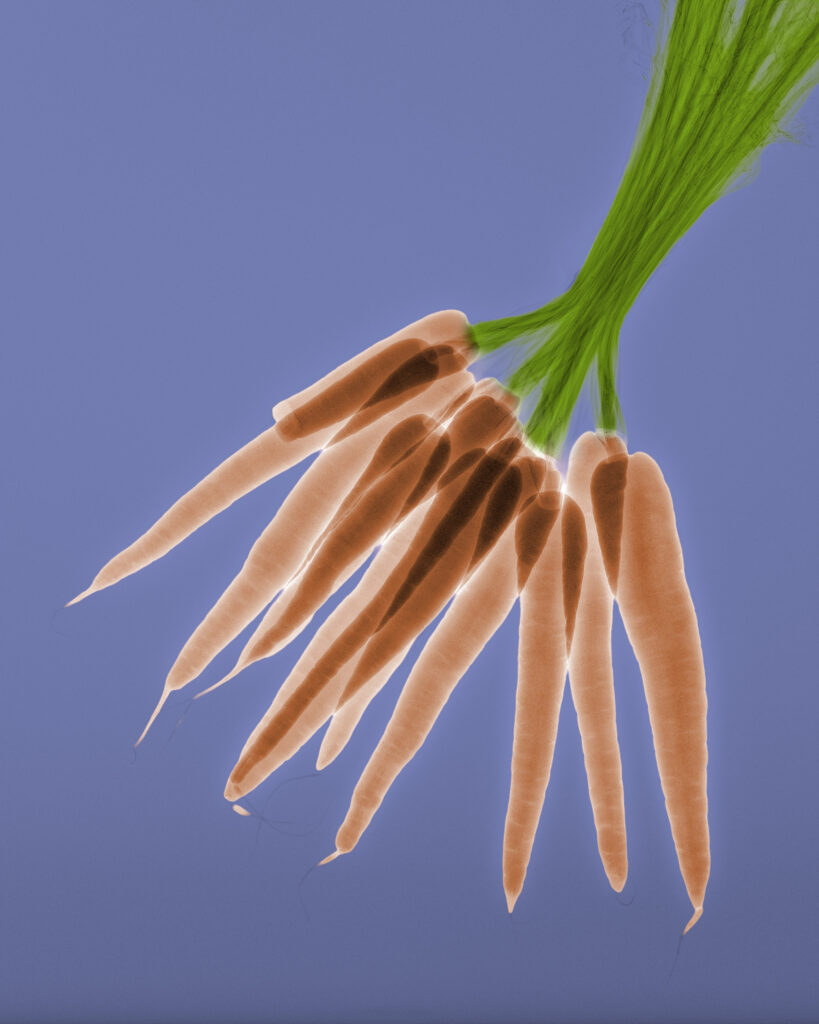
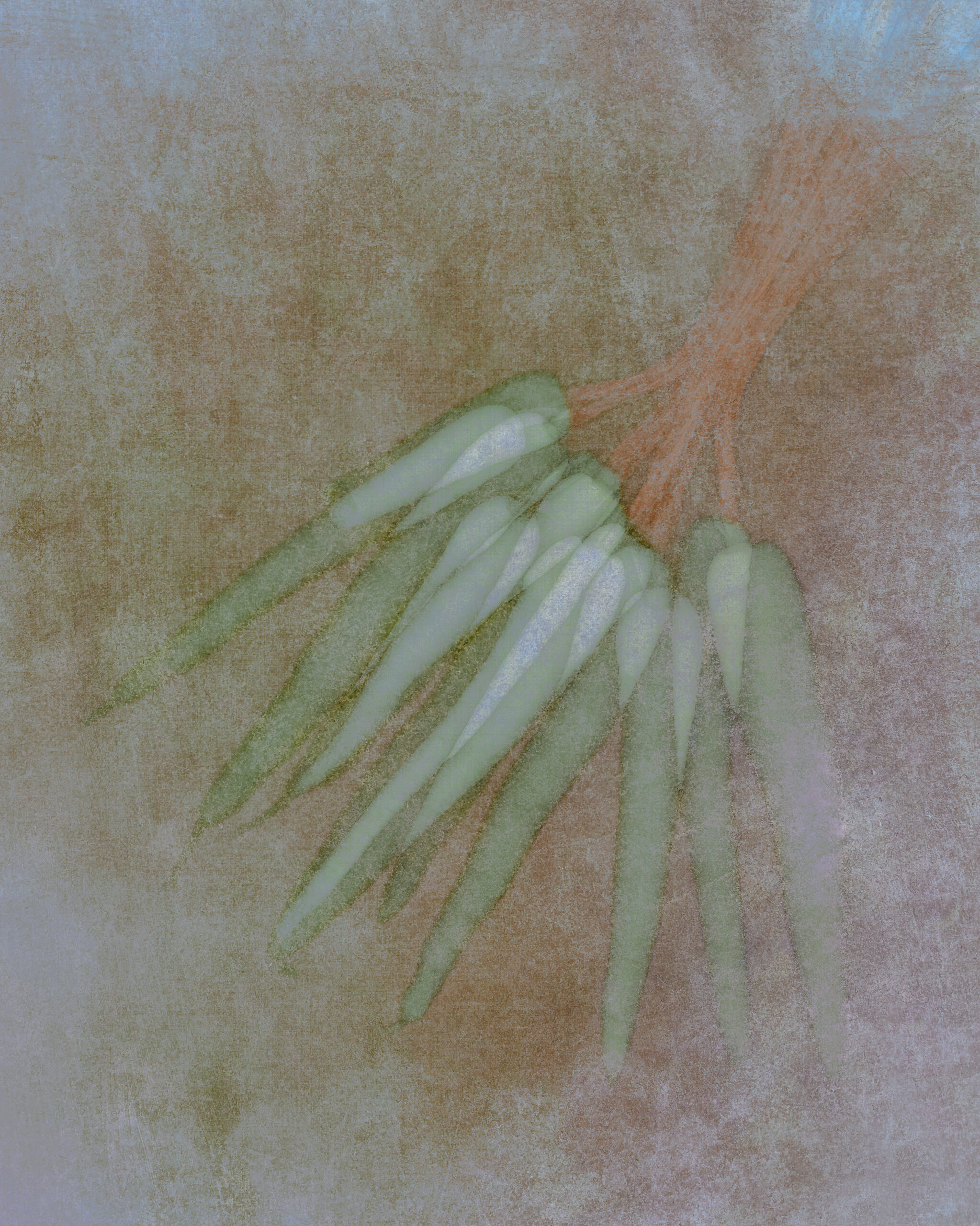
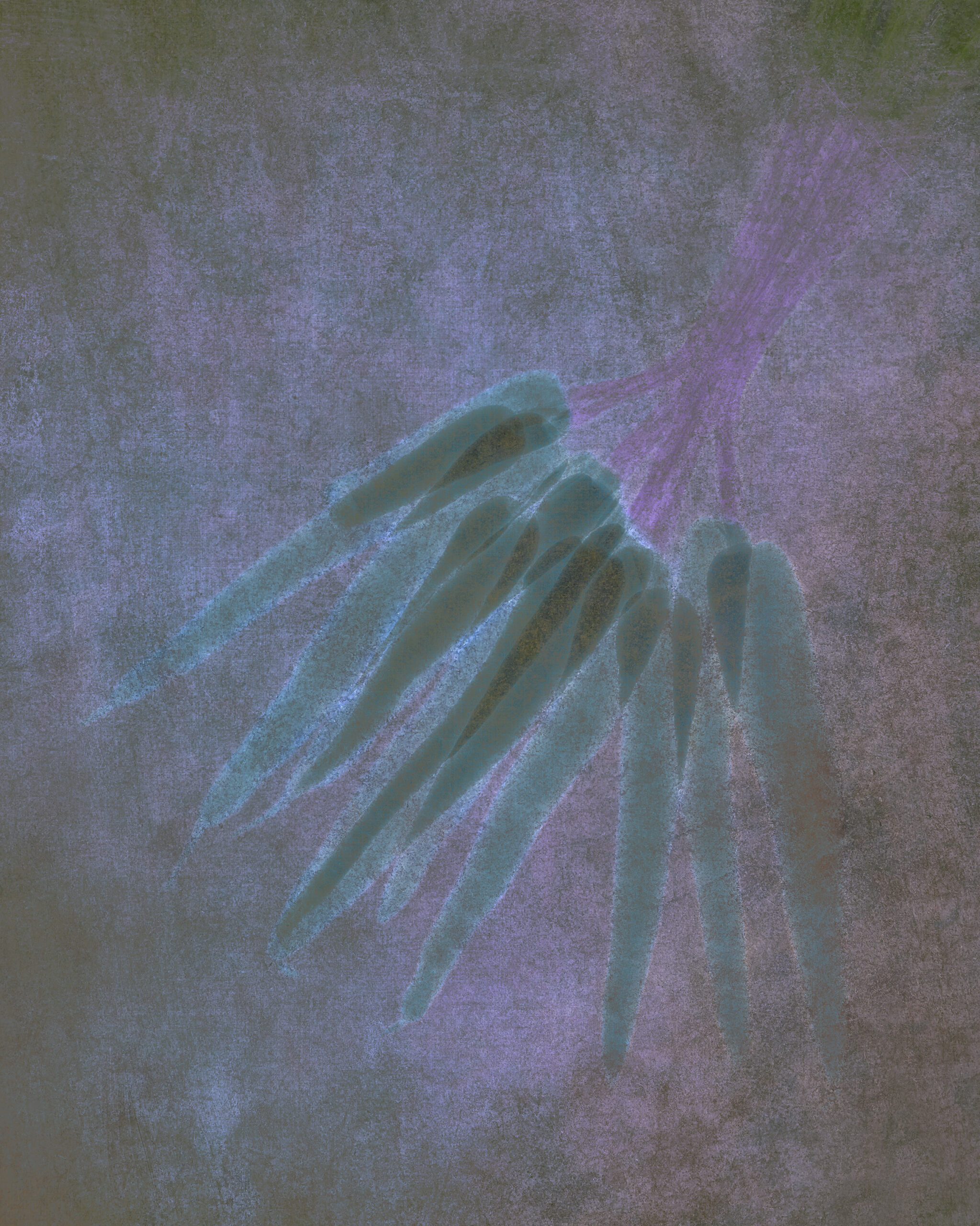
    The Lab colour space overcomes some of the limitations of the RGB colour space. In particular, it is relatively easy to alter or invert the brightness alone without changing the colours. Using this technique, one can create images that appear unusual yet retain a sense of naturalism (left-hand image). Alternatively, one can produce a bold, colourful look with the appeal of an X-ray image (right-hand image).

    Bunch of carrots © Julian Köpke
    Bunch of carrots © Julian Köpke
  • flowers,  Food,  General,  Lightbox,  X-Ray

    Varieties of fusion images using X-ray

    Images produced using visible light and X-rays could not be more different. And not just because of varying the subject. The fusion of these two techniques already makes it possible to present the same source material in vastly different ways.

    When I began developing this technique, I drew inspiration from a method of photographing flowers transparently, as practised and published by Harold Davis. My focus was on transparent flower photography and the ability of X-rays to penetrate objects seemingly without resistance.

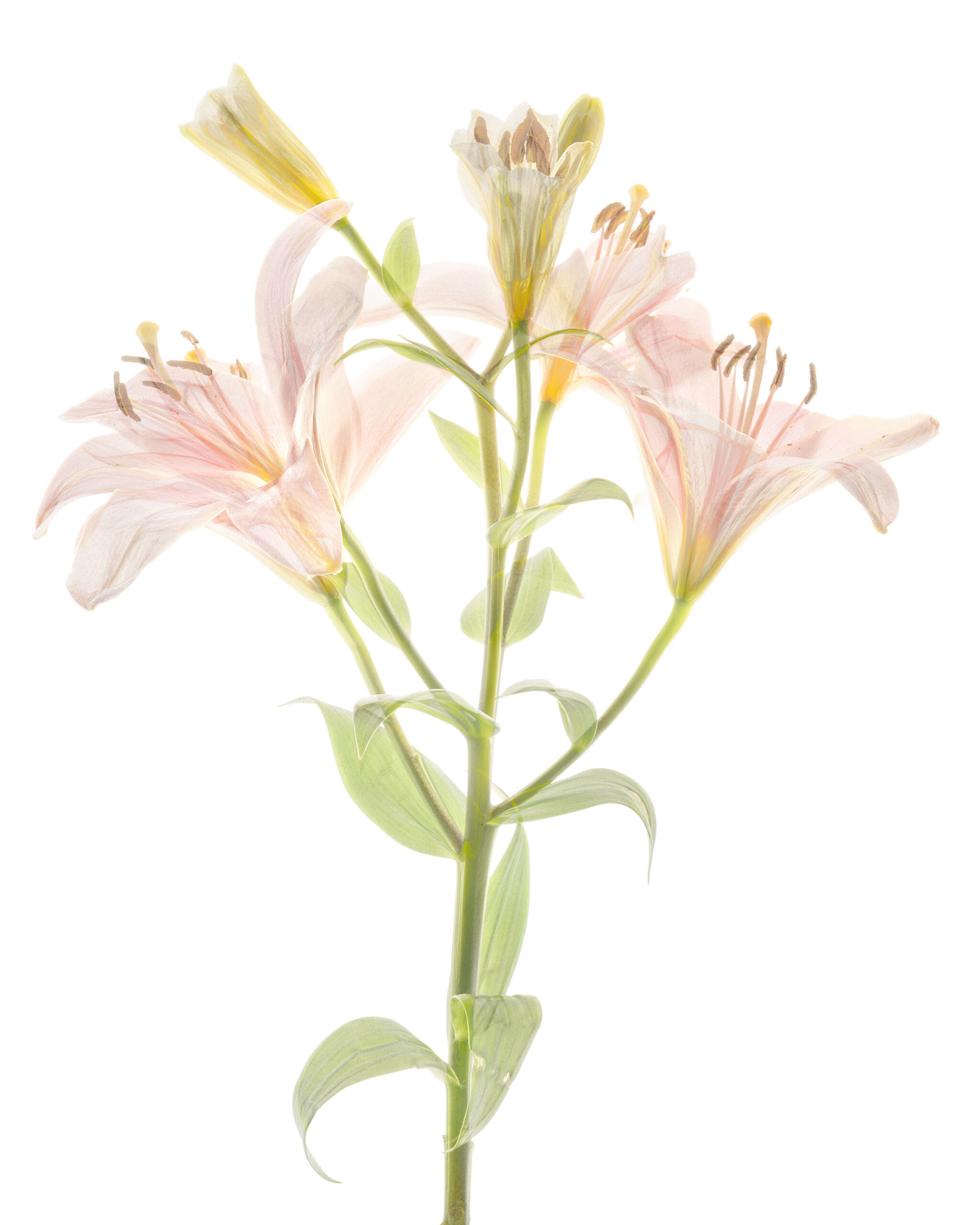
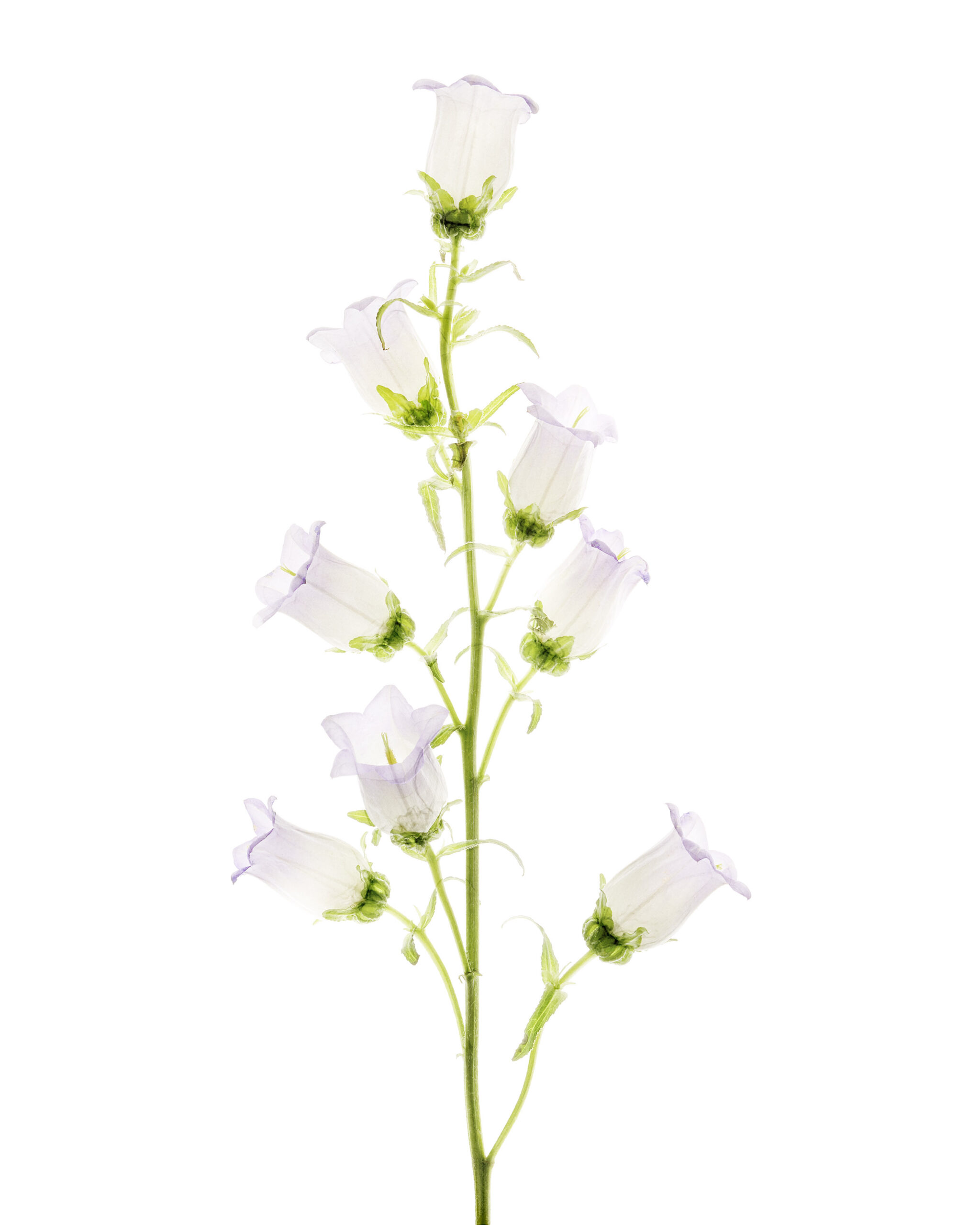
    In the case of the flowers, the fusion of the X-ray image and the photograph reveals the translucency inherent in the photographic process and, moreover, conveys a delicacy—one might almost say a fragility—of the subject.

    Pink lily X-ray fusion photography © Julian Köpke
    White Campanula X-ray fusion photography © Julian Köpke

    Using only the approach to depicting flowers derived from photography and the work of Harold Davis, fusion imaging can create a small universe. The fusion of the two types of radiation in the image is by no means straightforward and also depends on the object being imaged.

    Amaryllis X-ray mammography fusion photography texturized © Julian Köpke
    Fusion X-ray photo Calla lilies IV. Black background using Lab inversion. © Julian Köpke

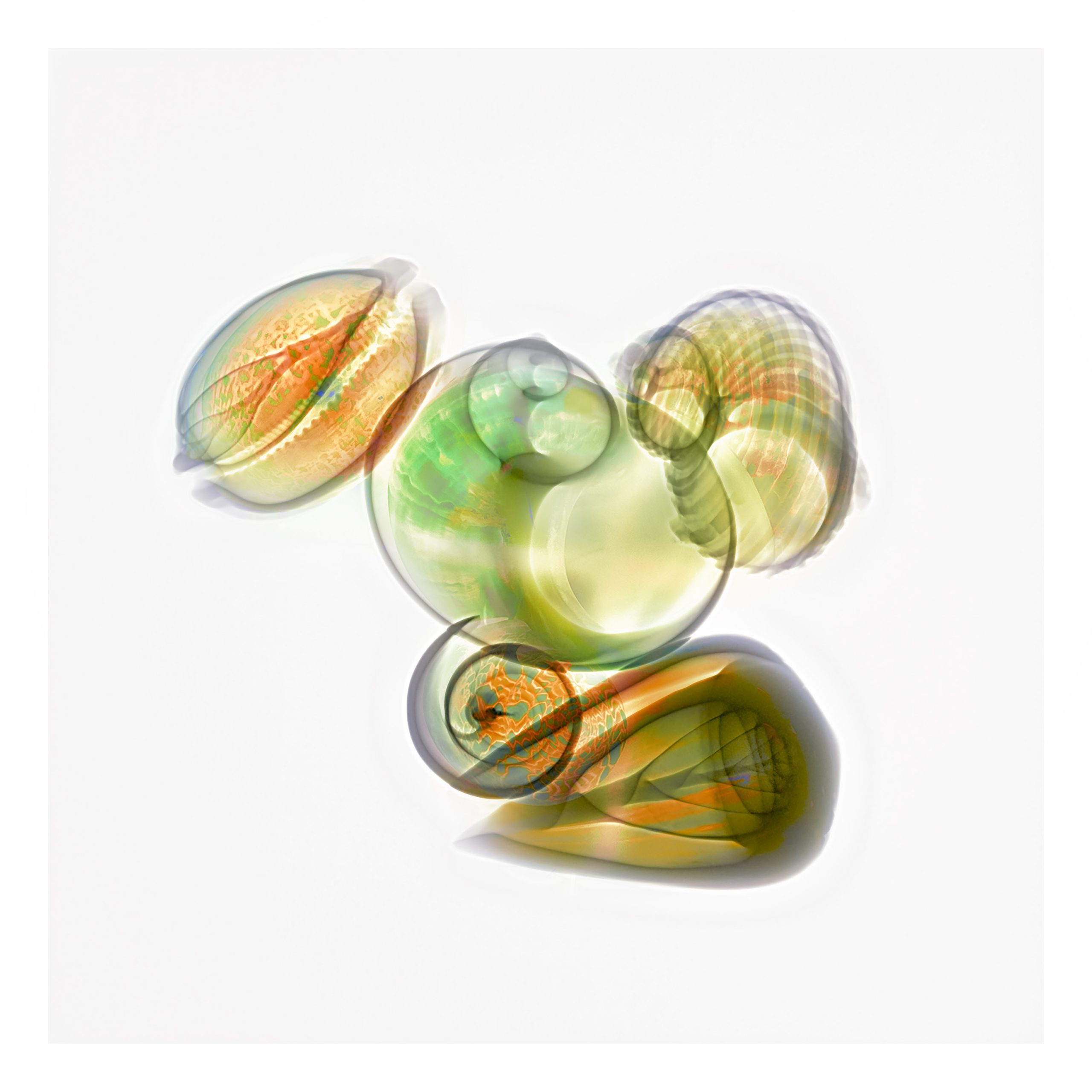
    As well as flowers, there are interesting structures that never appear transparent or delicate in ordinary light. Nevertheless, they are well worth a closer look. Take, for example, the shells of snails or mussels. Under X-ray light, these become particularly striking. From the very beginning, I have also experimented with fusion imaging on these objects.

    In this context, it is also true that image fusion does not follow a single, clear path, but is guided by artistic criteria. X-rays and photographs can produce vastly different effects, even when depicting the same object, depending on how they are processed.

    X-ray fusion photo snail shells composition III © Julian Köpke
    X-ray fusion photo snail shells composition III © Julian Köpke

    Only a transparent object can be transformed into an image that appears transparent using a lightbox. This is inherent in the nature of how these images are created using an HDR process. This limitation can be overcome to a certain extent with the aid of X-rays.

    Transcending the limits of visible light is not a straightforward process. With objects that become radiographically transparent, transforming them into an interesting composition is a demanding artistic task yielding variable results with no set formula.

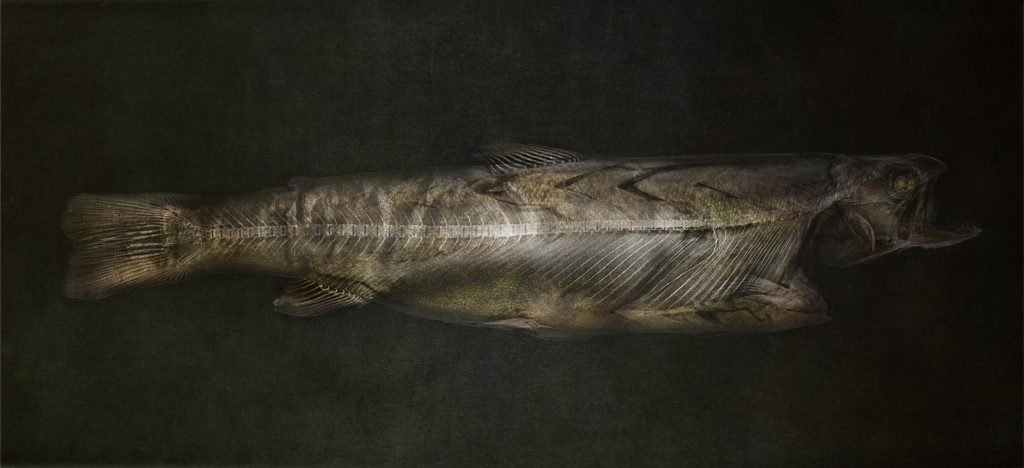
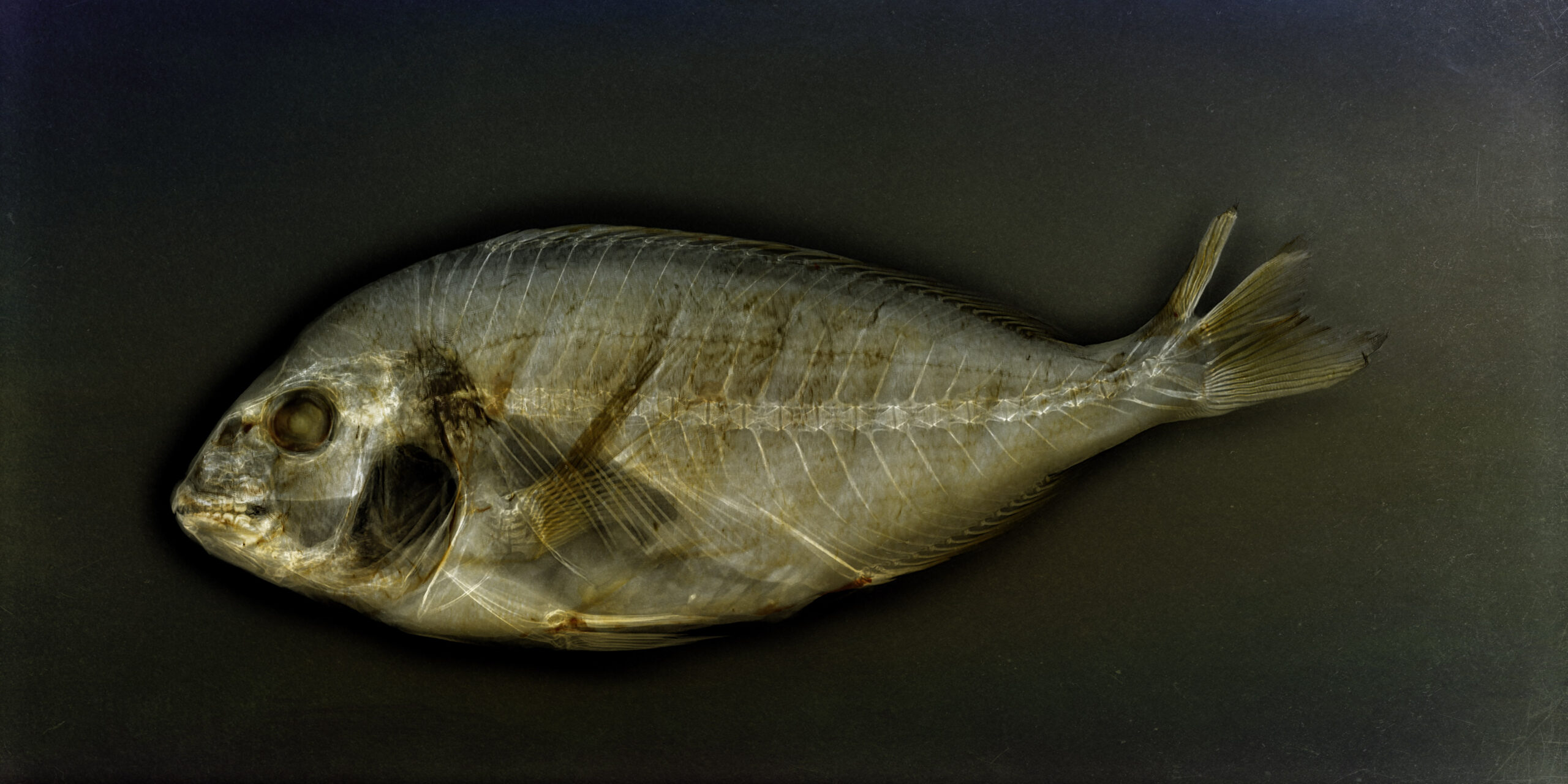
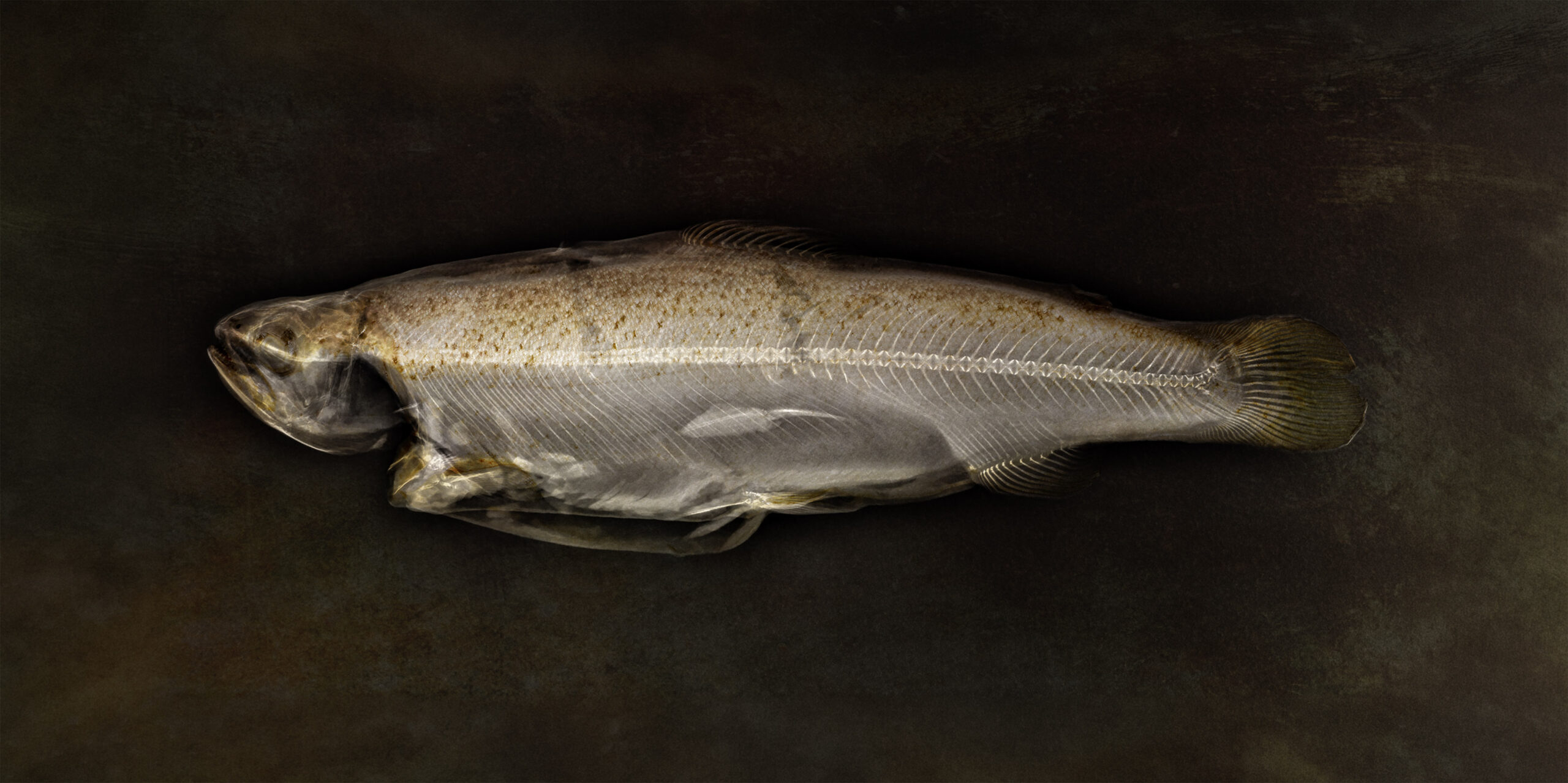
    I bought these two smoked fish from a supermarket. On the left is a sea bream and on the right a trout. In this artistic fusion of photography and X-ray imagery, I added a background and some texturing. On closer inspection, you can see small tears in the muscle tissue of both fish caused by the drying out that occurs during the smoking process.

    Sea bream (Dorade) - X-ray fusion photography © Julian Köpke
    Trout (Forelle) - X-ray fusion photography © Julian Köpke

    Fusion images can be created using objects that are not themselves transparent. They are visually appealing as a result of the artistic process and can sometimes even be surprising. There is no set method for creating a fusion image; instead, the approach is guided by the subject matter, the characteristics of the object being depicted, and the overall visual effect.

  • flowers,  Fusion imaging,  Lightbox,  X-Ray

    Transparencies

    HDR photography of flowers with a light box creates the illusion of translucency, which is very attractive in itself. By fusing X-ray light and visible light in flower photography, one expands the photographic possibilities by reproducing the inner structures of the photographed plants or objects. The illusion of translucence is enhanced by the physical transparency of X-ray light. Even photographically non-transparent objects can be given the illusion of transparency by fusing X-ray light and visible light.

    A publication by the dPunkt publishing house in „foto espresso“ gave me the opportunity to present this idea in the May 2023 issue.

    Two lily blossoms © Julian Köpke
  • Food,  Monochrome,  X-Ray

    Chocolate

    4 bars of chocolate were meant as a reward for a calendar of the year 2023. To eat, of course. However, it is a special pleasure to subject them to an X-ray examination with the mammography before opening them. After three attempts, I placed them on top of each other, which is why their penetration with radiation required 20% more energy so that the image was not underexposed.

  • Fusion imaging,  Texture,  X-Ray

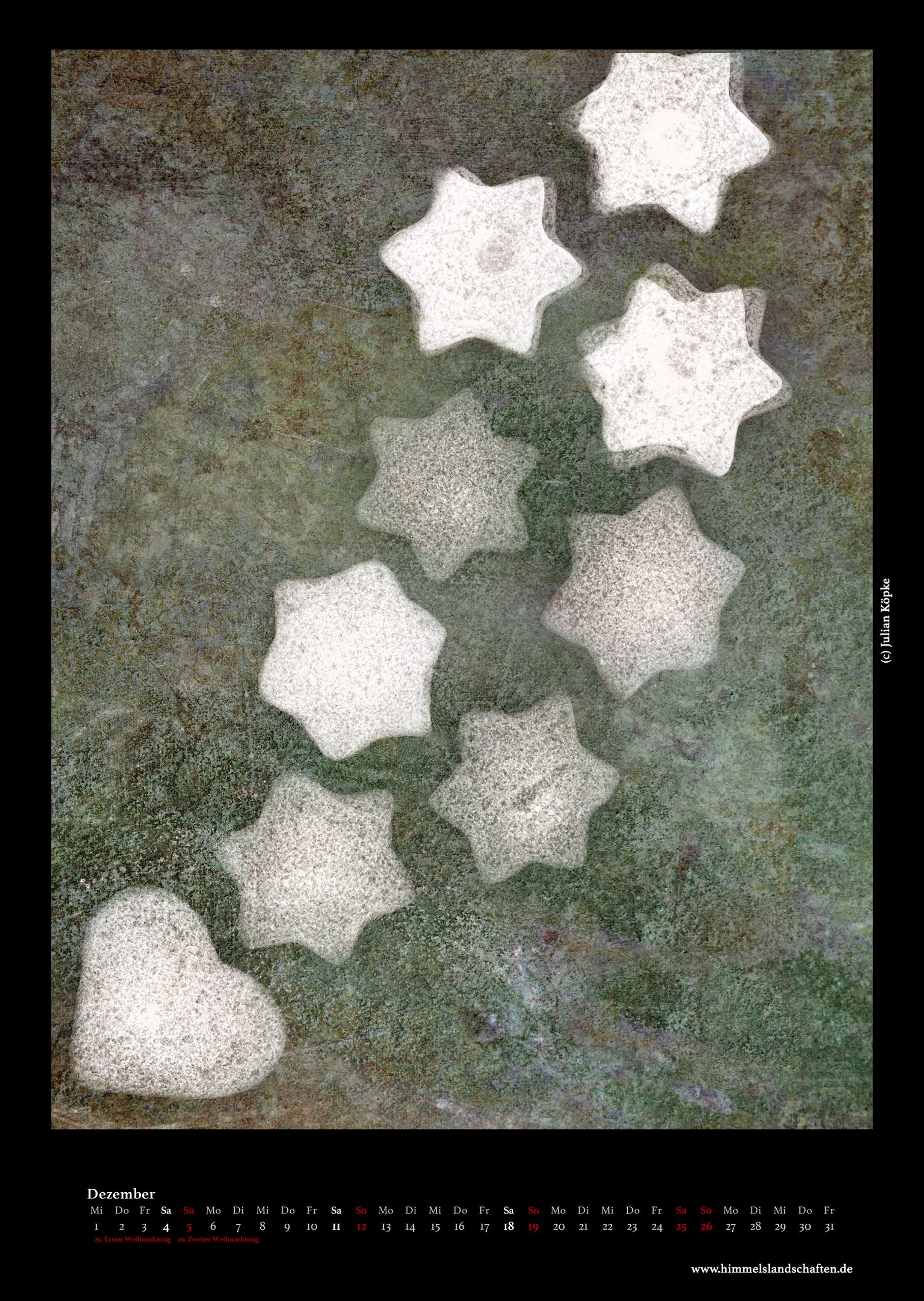
    Calendar 2021

    This year there was a complete silence on the part of the equipment manufacturers. That’s too bad. Now the calendar sheets 2021 are finished in own production. This year at the suggestion of or daughter Marlies with the topic food.

    Fusion imaging does not wirk int the same way with food as with transparent flowers. But the deep structure of the food nevertheless leads to interesting results. It worked surprisingly well to depict a smoked trout with its bones. And squashes exhibit nearly artistic features.

    Trout X-ray fusion photo © Julian Köpke
    Black swan: pumpkins and fir cones X-ray photo © Julian Köpke

    The calendar sheets are finished now in portrait format 60cm x 42.6cm and can be viewed here.

  • Macro,  Monochrome,  X-Ray

    Chestnuts X-ray mammography photo

    I hav been looking forward to the mammography of these chestnuts a whole week. It was almost too late to find some specimen that had not yet been trampled or eaten. Once again it was helping hands that made this picture possible for me.

    It was difficult to get an attractive composition. Indeed some skills have to be developed to place the chestnuts – because they really hurt. The sensor was too small to x-ray the whole composition at once. The solution was a mosaic with two tiles.

    The result is convincing to me. The viewer may feel the thorns looking at the image. 

    Chestnut X-ray mammography photo © Julian Köpke
  • Monochrome,  X-Ray

    Loaf of bread

    Our universe has to some extent a structure like a foam. How to image this ? Computer simulations did already some successful representations.

    Doing X-rays on a freshly baked loaf of bread I got some features of a foam. My loaf was bigger than my X-ray sensor, so I had to stitch two tiles. Photoshop did a really good job to merge the X-rays.

    The image looks more like a interstellar object than a loaf of bread.

    Loaf of bread mosaic X-ray photo © Julian Köpke
  • Fusion imaging,  Monochrome,  X-Ray

    Oak leaves with acorns

    A walk with friends in a shady valley on a particularly hot day led us to a large oak tree. At the end of a strong branch I discovered some acorns under young leaves. While trying to find an adequate translation for my text, I came across a special text:

    „The faded oak leaf in that silent book is the memento of a friend, the school friend who was to remain a friend for life.“

    No author to find.

    I ripped off a nice branch from the tree and took it home to X-ray it the next day.

    Oak leaves with acorns X-ray photo © Julian Köpke
    Oak leaves with acorns X-ray photo L-inversion © Julian Köpke

    In the digital world there is no longer an original.

    The representation on the left hand side appears to look close to a clinical diagnostic X-ray. Somehow familiar to our eyes when dealing with fractures oder bowel problems.

    The right hand side image shows a certain airiness or lightness that draws you into the picture. And there is some appeal of a shine through effect, especially at the leaves.

    A quite inconspicuous photo of this composition nevertheless contributes to an increase of the appeal when it is merged with the X-ray image to a  fusion image.

    Oak leaves with acorns X-ray fusion photo © Julian Köpke
    The oak leaves are the memento of a friend, like the old school friend who was to remain a friend for life.