• Food,  Fusion imaging,  X-Ray

    X-ray of vegetables and boxes

    X-rays make a dense object appear see-through or transparent. We find it hard to look away from X-ray images because we are always discovering something new in them.
    Combining an X-ray image with a photograph is therefore an approach that captures the viewer’s interest.

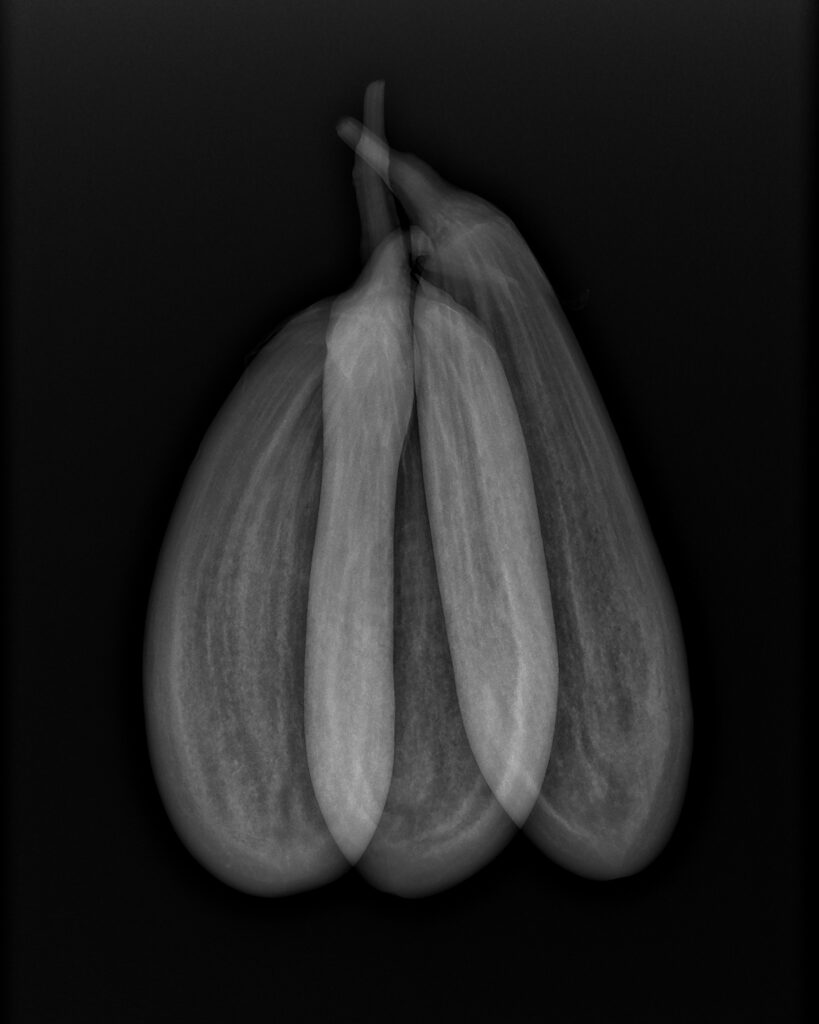
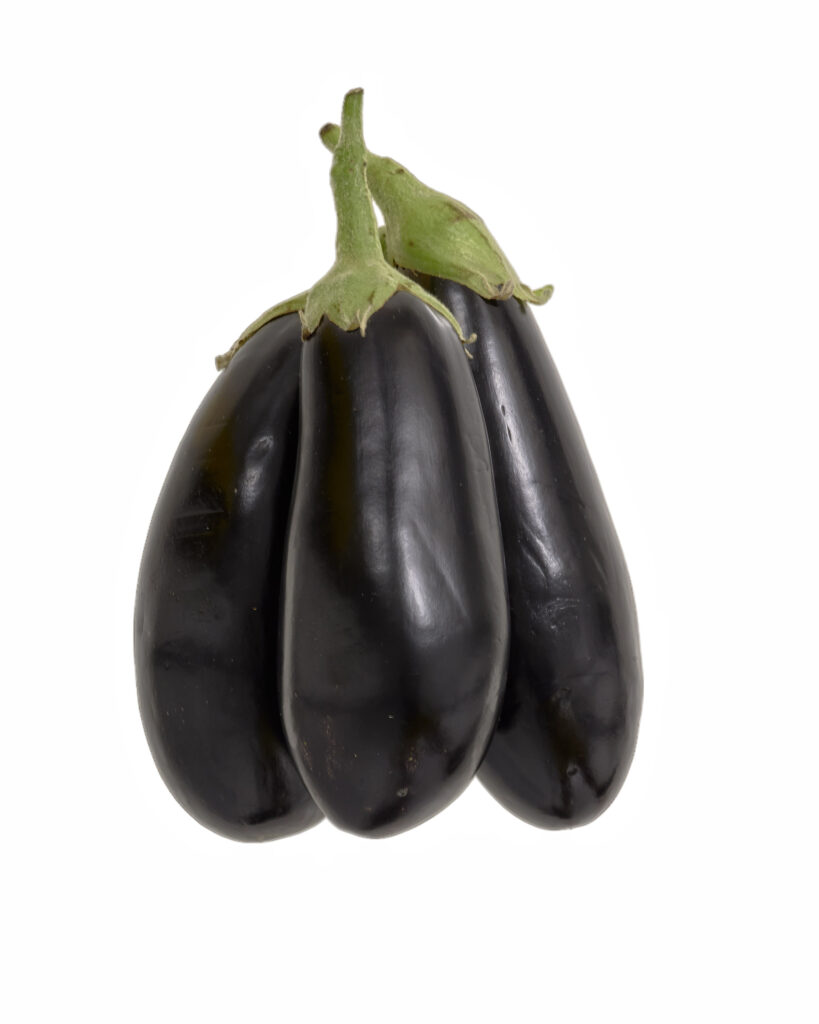
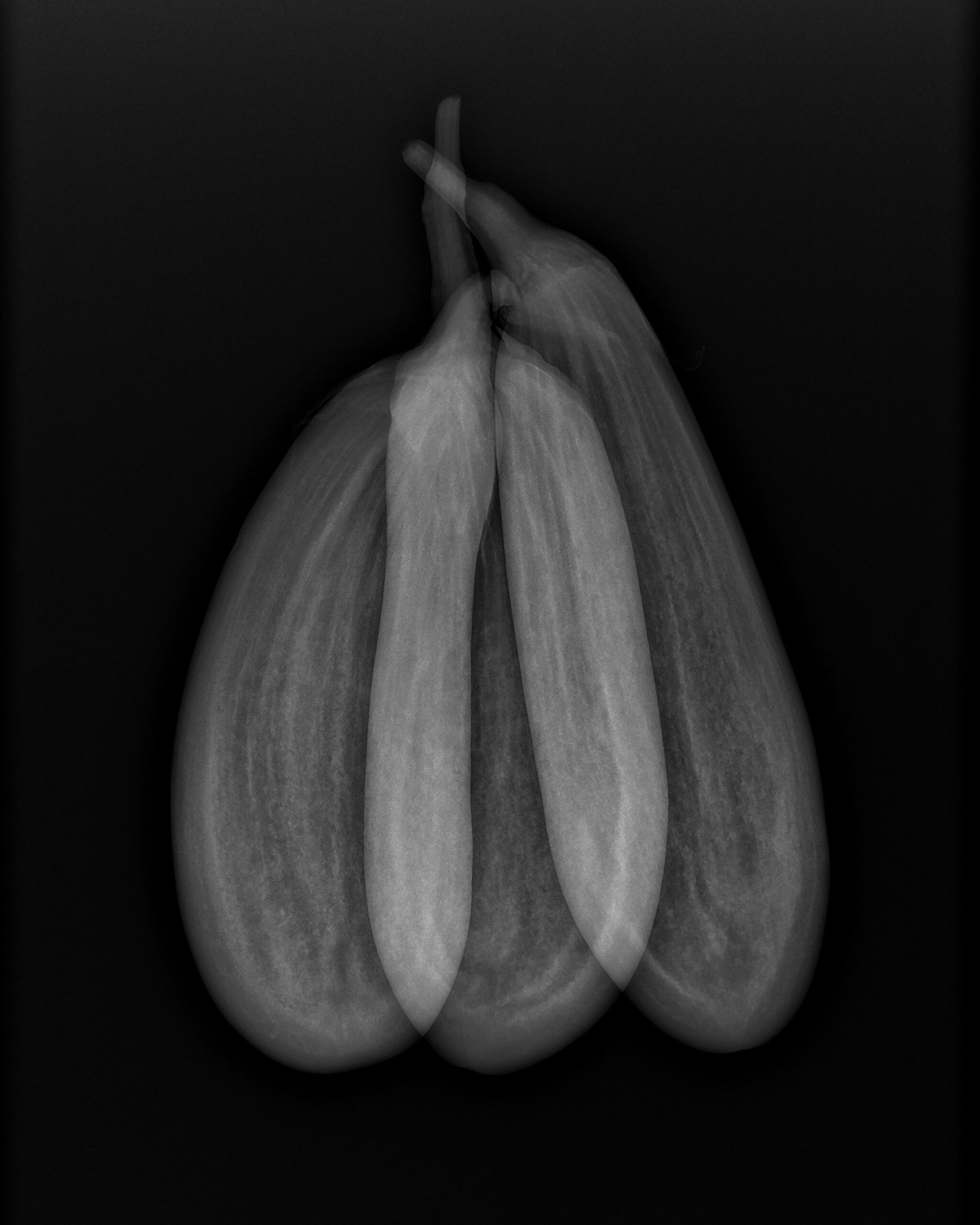
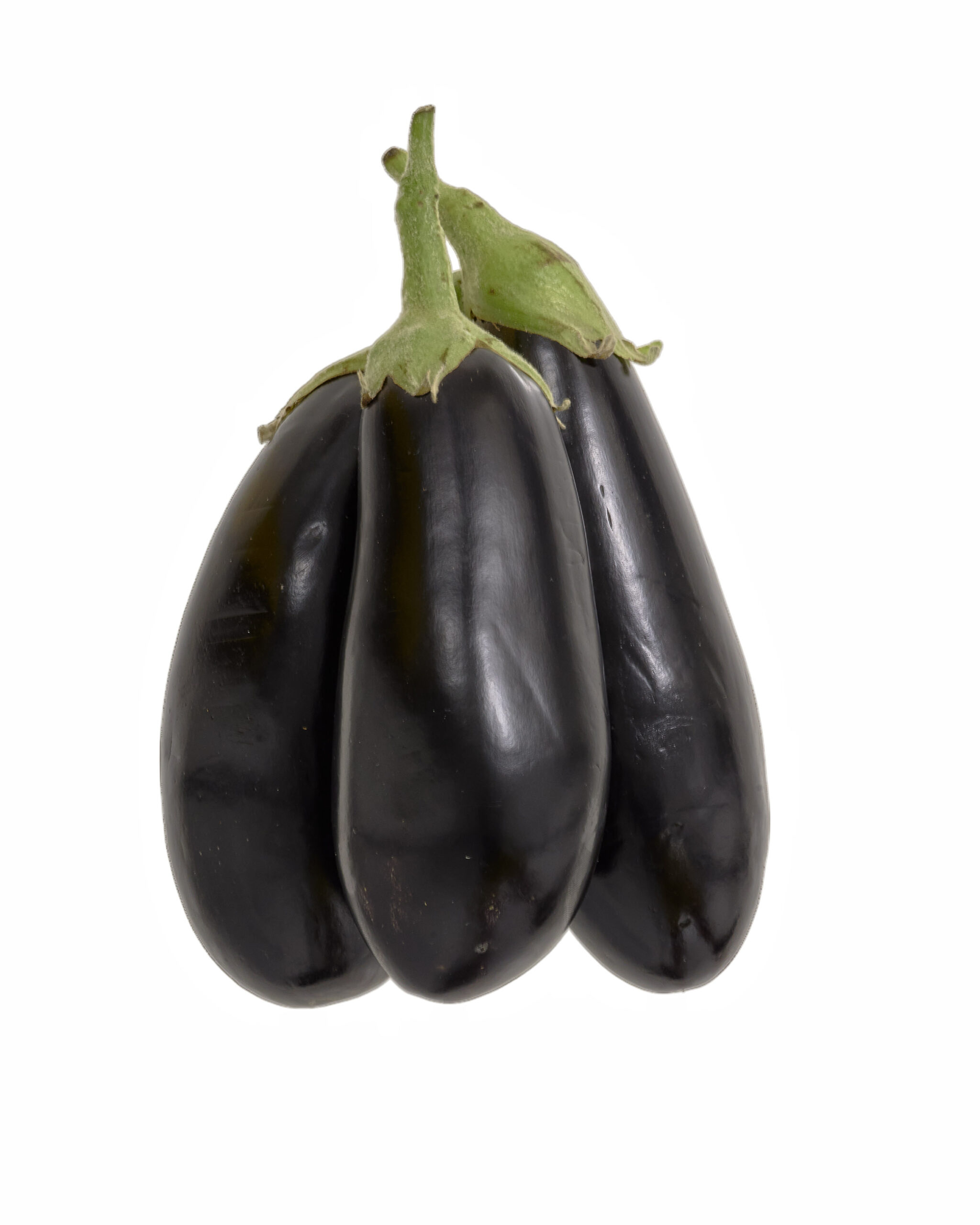
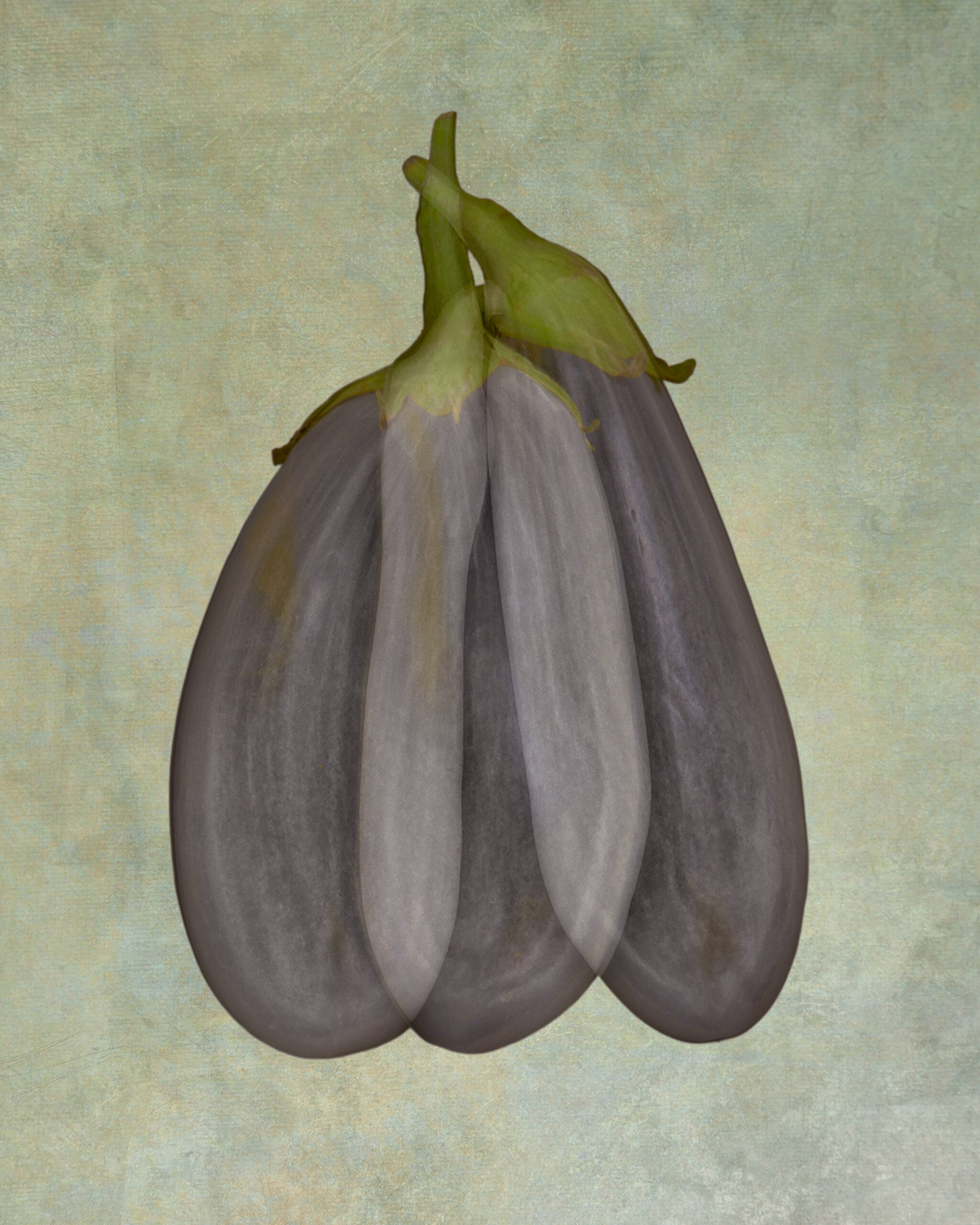
    There are some great recipes for aubergines; even served as thin slices with honey, they make for a real treat. The inside of these vegetables is of moderate interest on an X-ray. I’ve stacked them to introduce variations in density as an additional element.

    X-ray of aubergines © Julian Köpke
    Aubergines © Julian Köpke
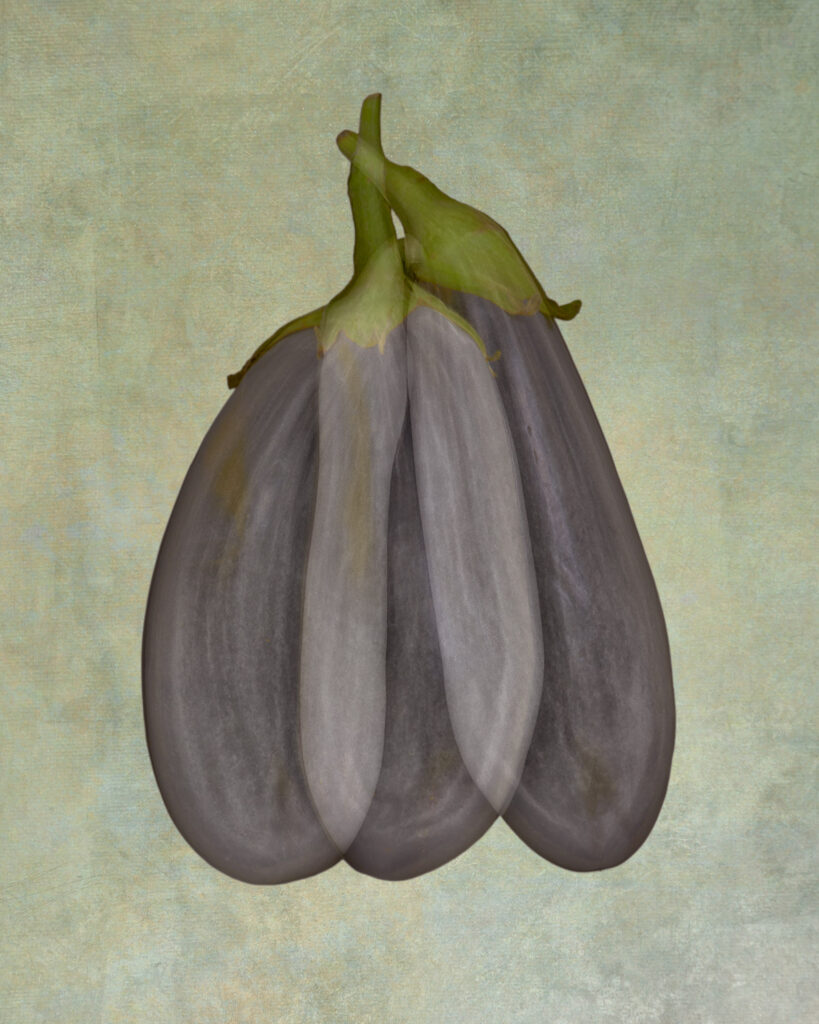
    With a little creative flair, you can combine the two images to create a semi-transparent image with attractive colours.

    Aubergines X-ray fusion photography © Julian Köpke
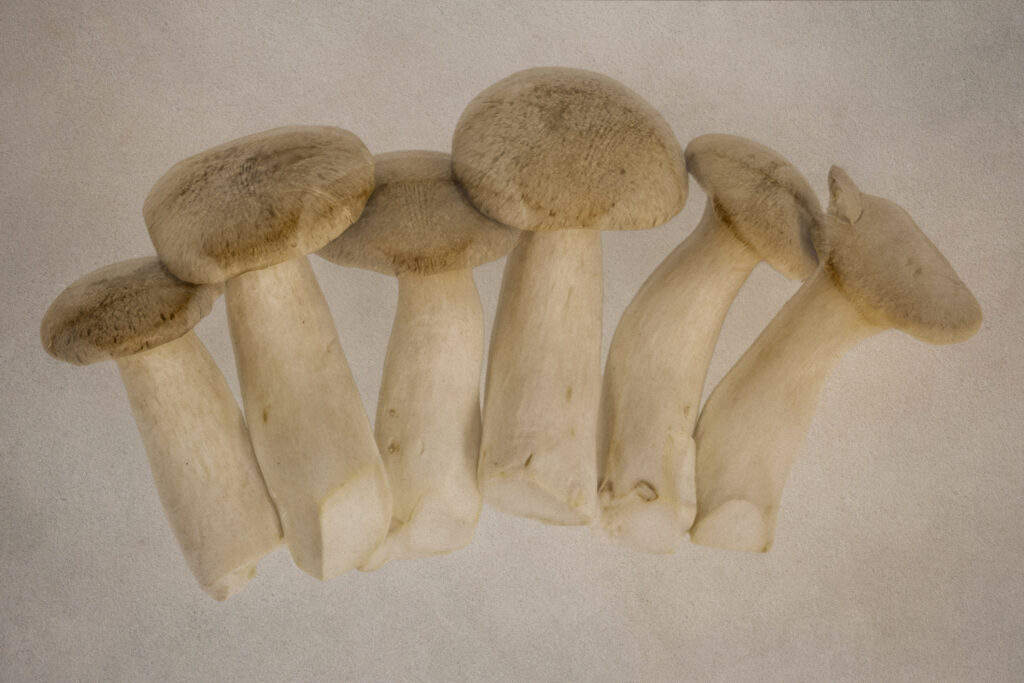
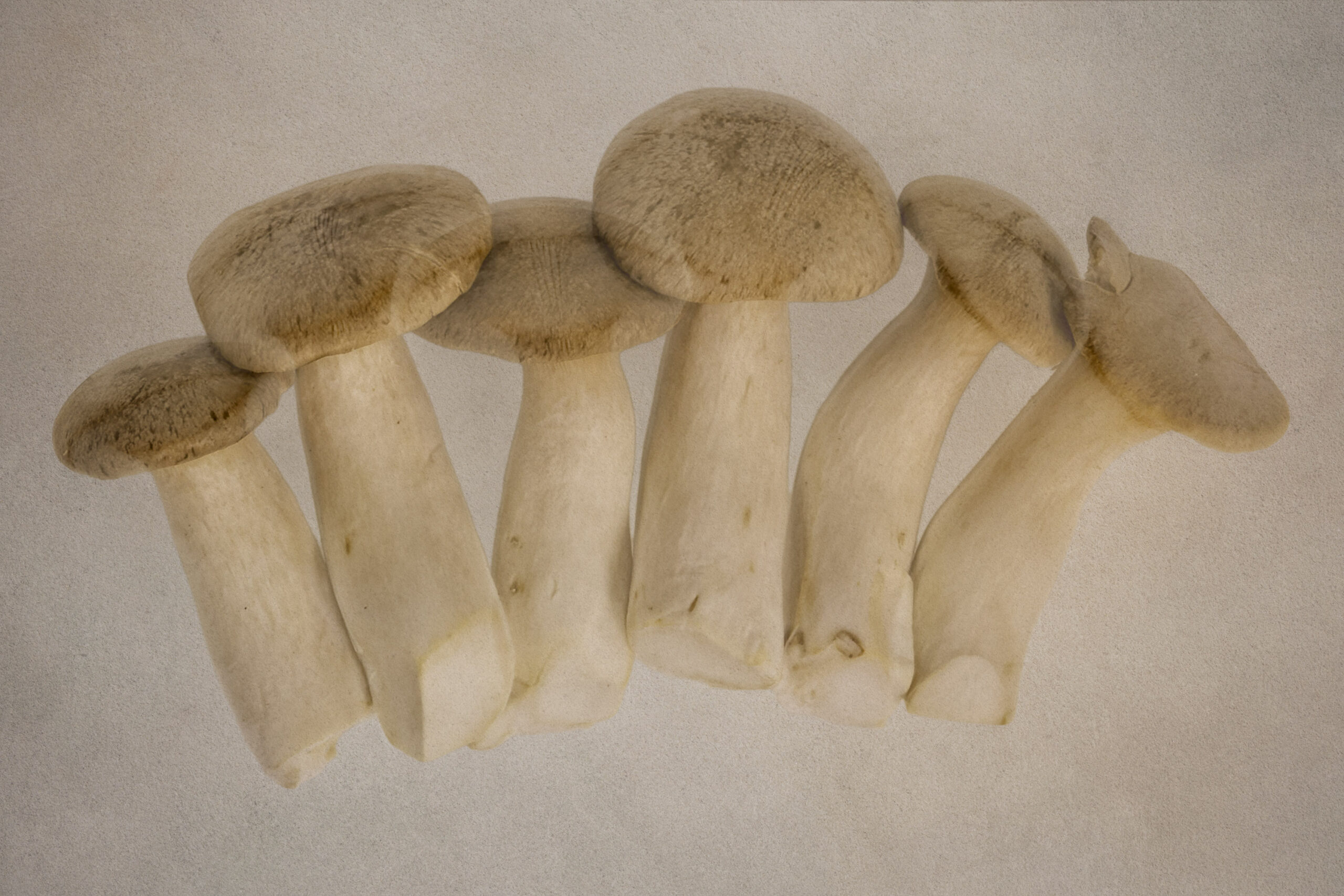
    Mushrooms have a similar soft texture to that of aubergines and show fewer changes in density when stacked.

    Mushrooms X-ray fusion photography © Julian Köpke
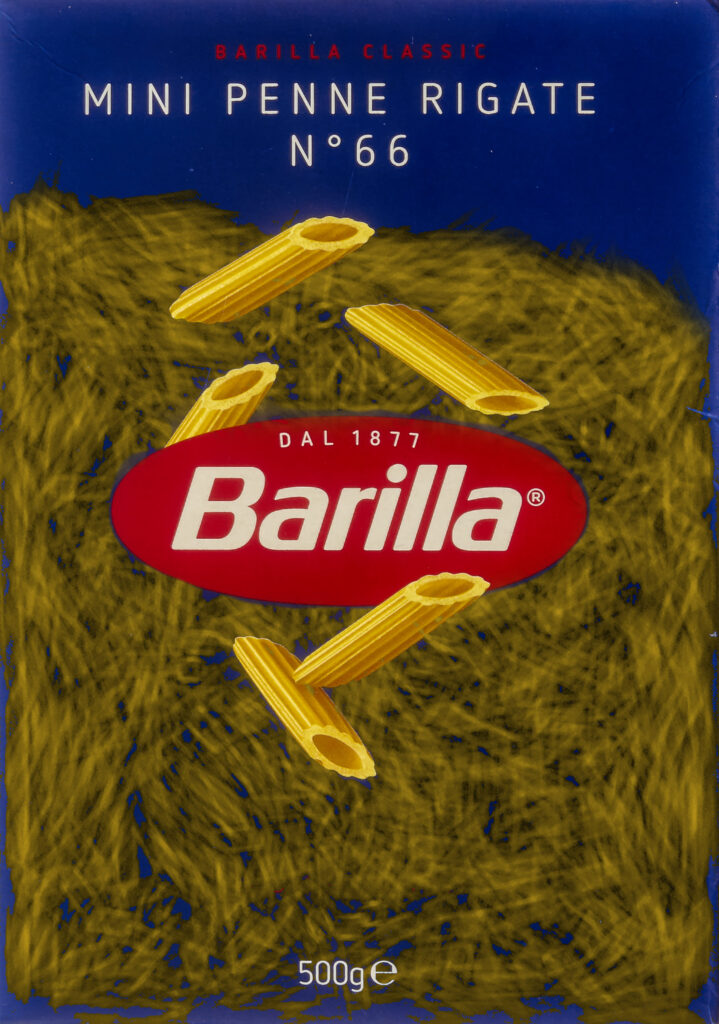
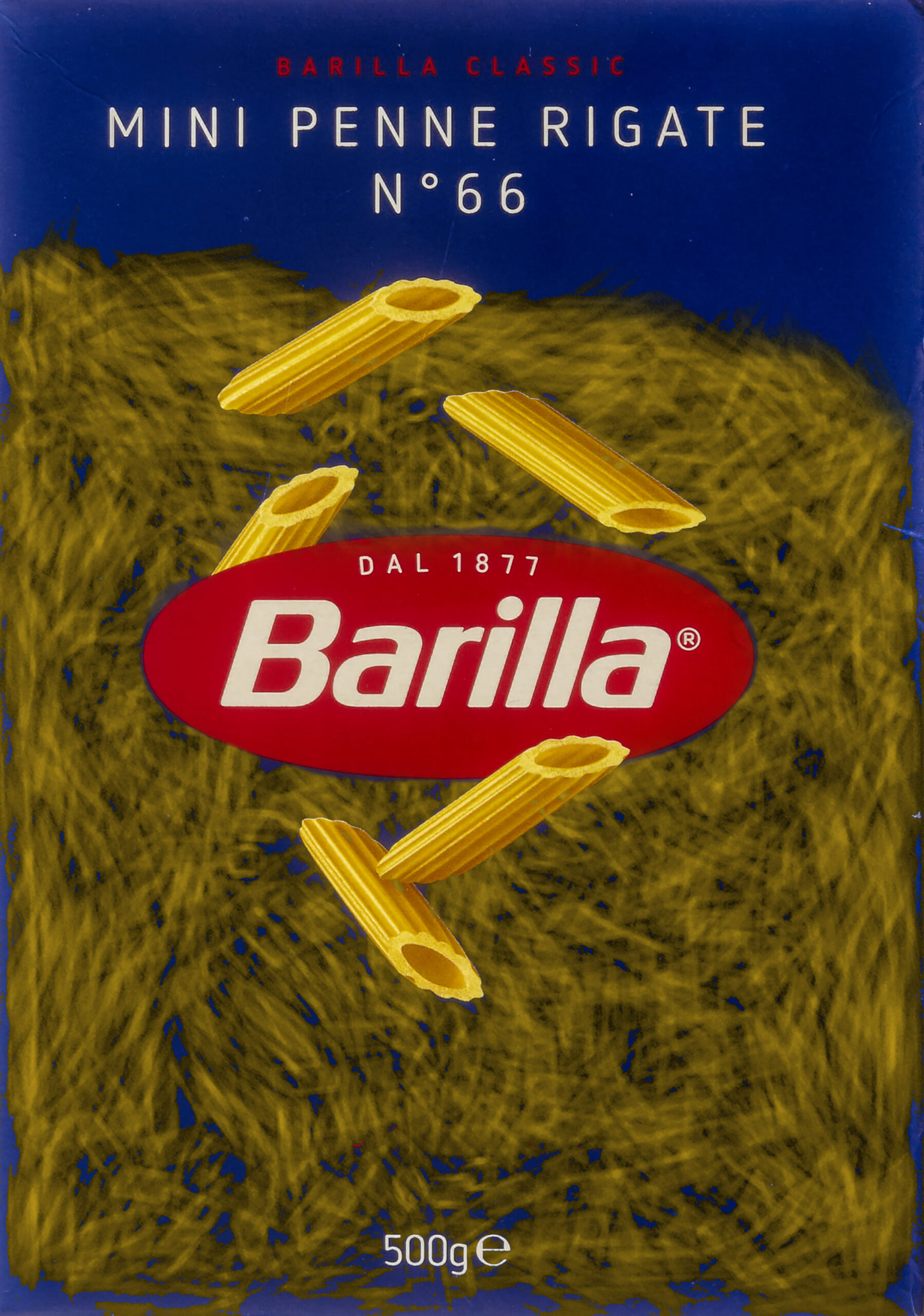
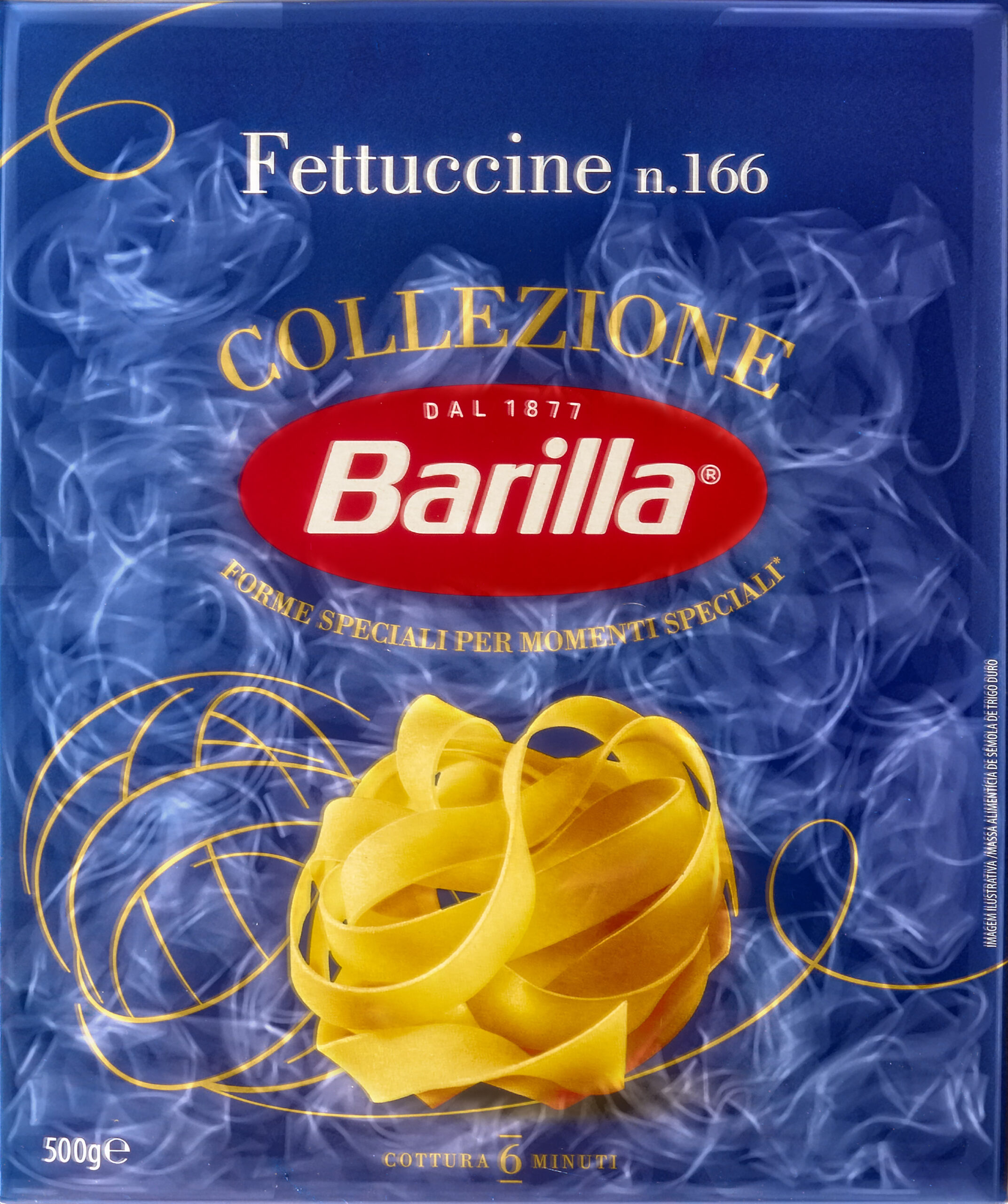
    Going more wild with fusion images, you get a fresh perspective on packaging and its contents. What do the pasta look like? How are they arranged in the packet? How much is actually in there? Is it even any fun looking at pictures like that?

    I haven’t yet found a definitive answer to these questions. Depending on how they are processed, the images can certainly be aesthetically interesting.

    Mini Penne Rigate n. 66 © Julian Köpke
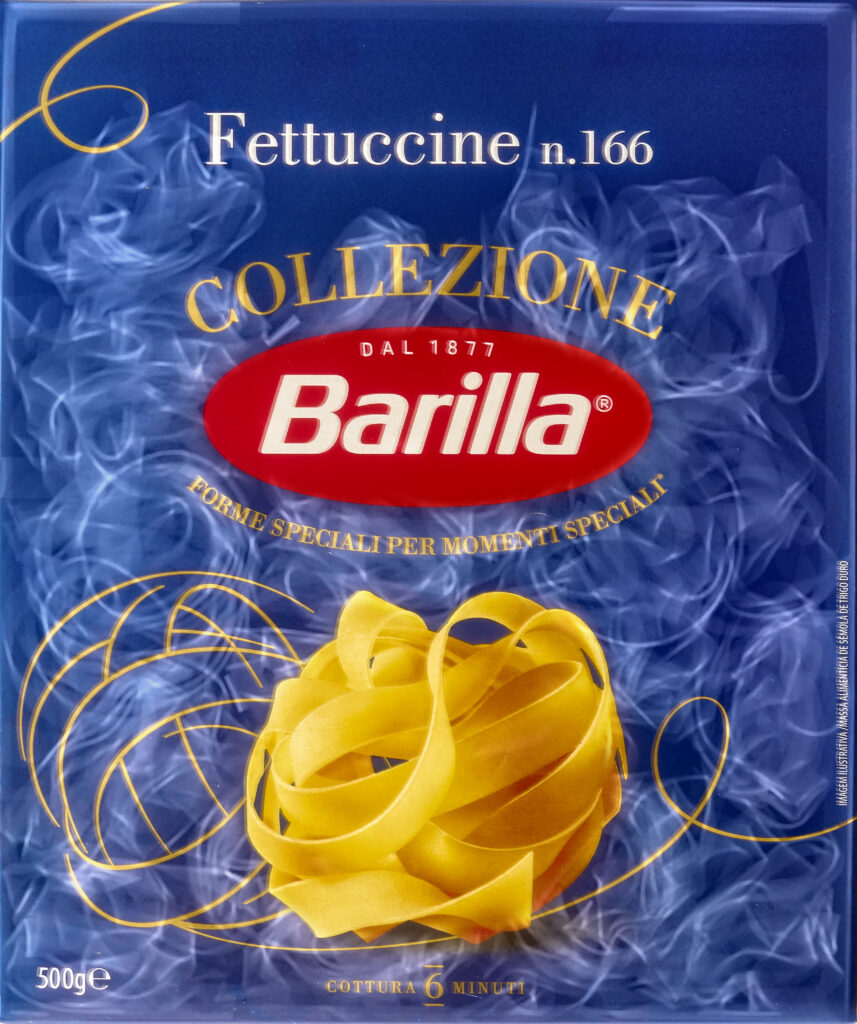
    Fettuccine n.166 X-ray fusion photography © Julian Köpke
  • flowers,  Food,  General,  Lightbox,  X-Ray

    Varieties of fusion images using X-ray

    Images produced using visible light and X-rays could not be more different. And not just because of varying the subject. The fusion of these two techniques already makes it possible to present the same source material in vastly different ways.

    When I began developing this technique, I drew inspiration from a method of photographing flowers transparently, as practised and published by Harold Davis. My focus was on transparent flower photography and the ability of X-rays to penetrate objects seemingly without resistance.

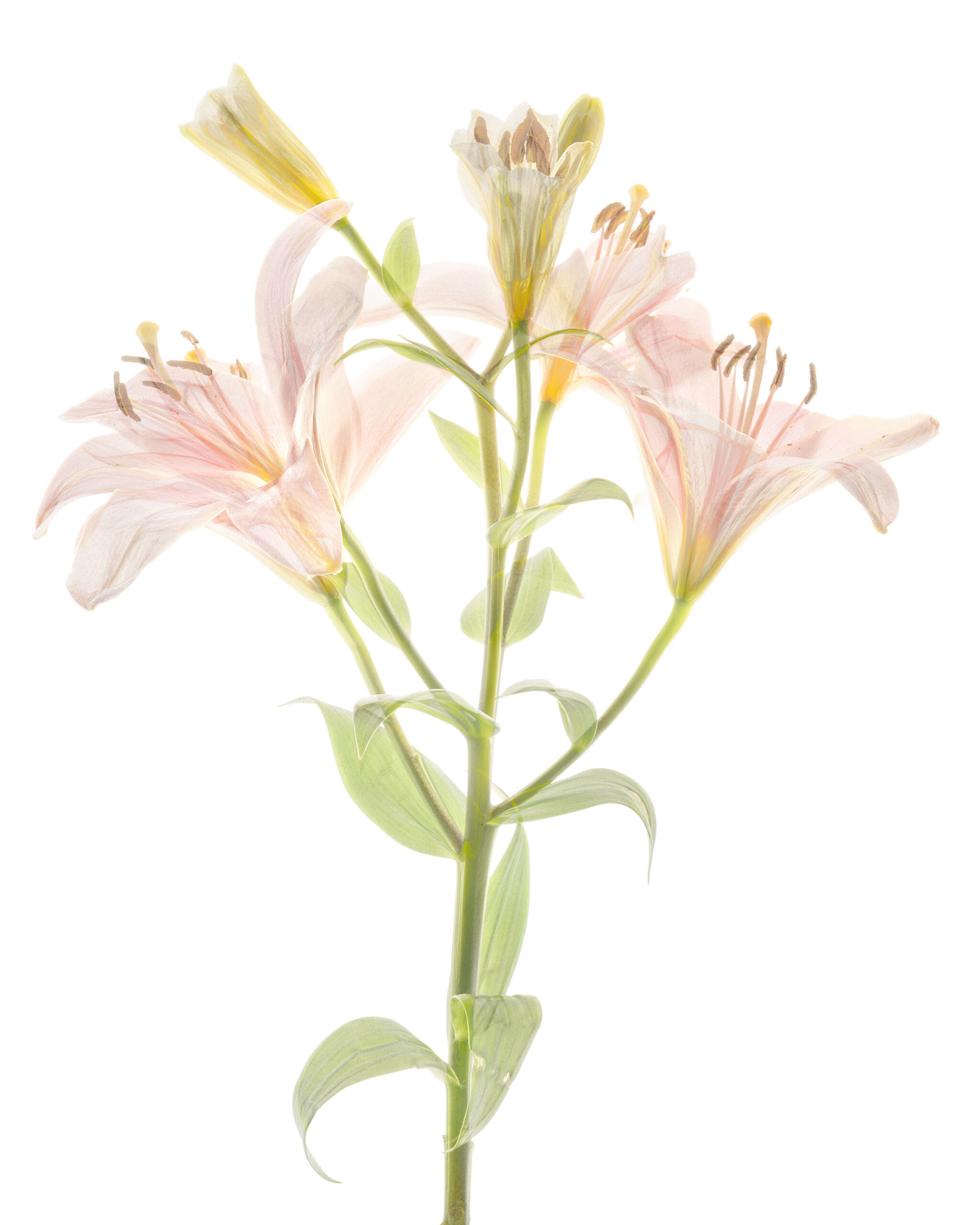
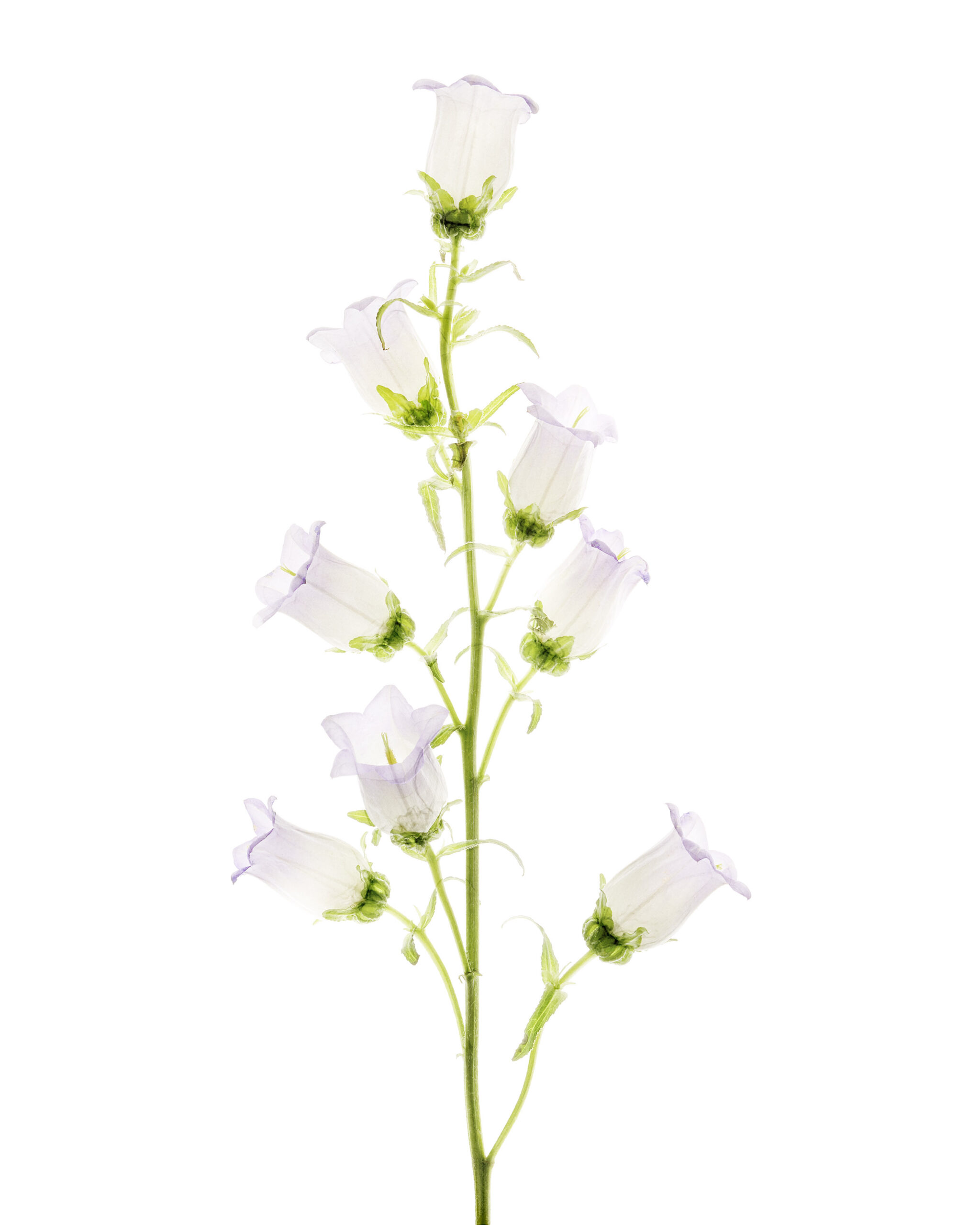
    In the case of the flowers, the fusion of the X-ray image and the photograph reveals the translucency inherent in the photographic process and, moreover, conveys a delicacy—one might almost say a fragility—of the subject.

    Pink lily X-ray fusion photography © Julian Köpke
    White Campanula X-ray fusion photography © Julian Köpke

    Using only the approach to depicting flowers derived from photography and the work of Harold Davis, fusion imaging can create a small universe. The fusion of the two types of radiation in the image is by no means straightforward and also depends on the object being imaged.

    Amaryllis X-ray mammography fusion photography texturized © Julian Köpke
    Fusion X-ray photo Calla lilies IV. Black background using Lab inversion. © Julian Köpke

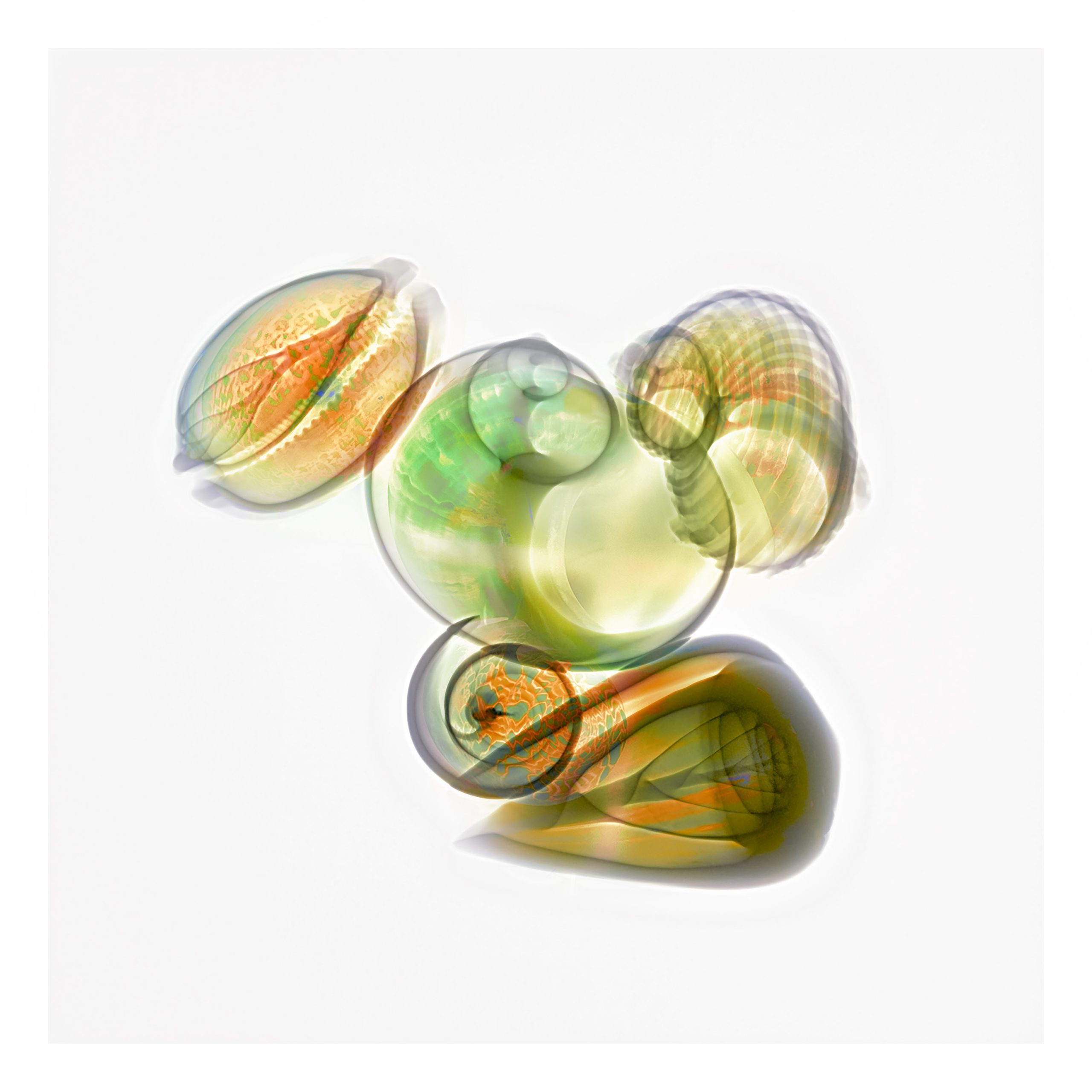
    As well as flowers, there are interesting structures that never appear transparent or delicate in ordinary light. Nevertheless, they are well worth a closer look. Take, for example, the shells of snails or mussels. Under X-ray light, these become particularly striking. From the very beginning, I have also experimented with fusion imaging on these objects.

    In this context, it is also true that image fusion does not follow a single, clear path, but is guided by artistic criteria. X-rays and photographs can produce vastly different effects, even when depicting the same object, depending on how they are processed.

    X-ray fusion photo snail shells composition III © Julian Köpke
    X-ray fusion photo snail shells composition III © Julian Köpke

    Only a transparent object can be transformed into an image that appears transparent using a lightbox. This is inherent in the nature of how these images are created using an HDR process. This limitation can be overcome to a certain extent with the aid of X-rays.

    Transcending the limits of visible light is not a straightforward process. With objects that become radiographically transparent, transforming them into an interesting composition is a demanding artistic task yielding variable results with no set formula.

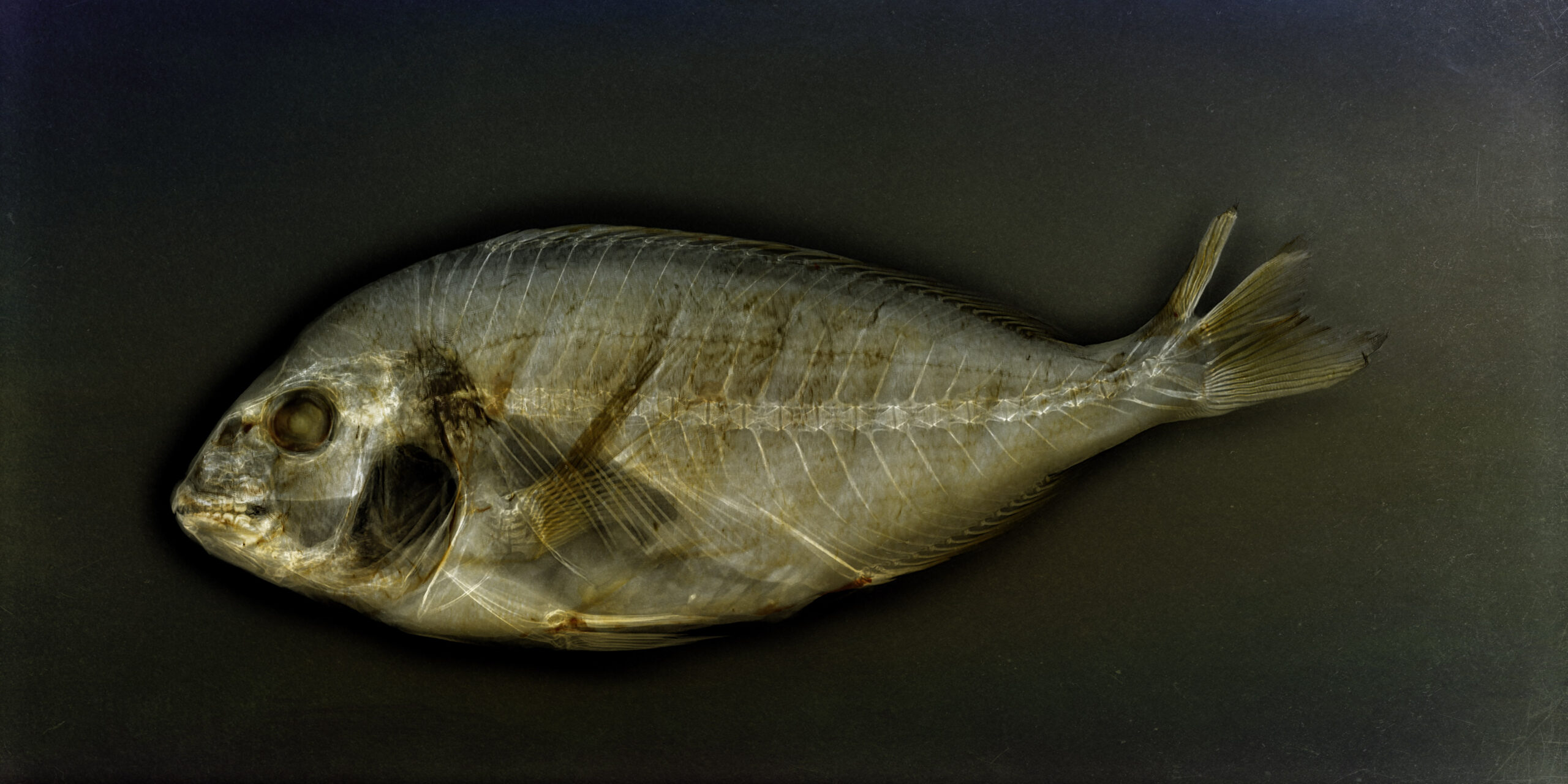
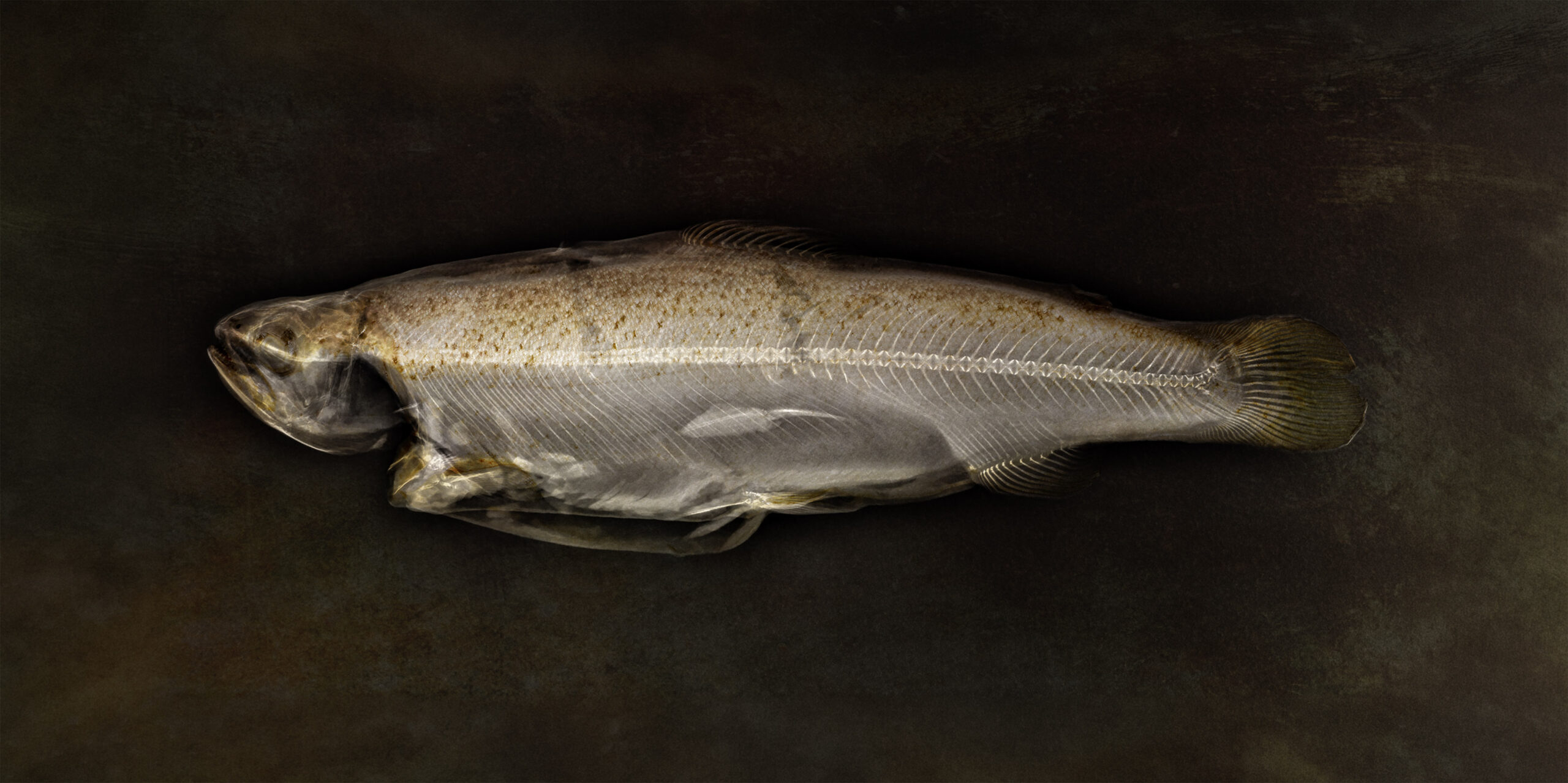
    I bought these two smoked fish from a supermarket. On the left is a sea bream and on the right a trout. In this artistic fusion of photography and X-ray imagery, I added a background and some texturing. On closer inspection, you can see small tears in the muscle tissue of both fish caused by the drying out that occurs during the smoking process.

    Sea bream (Dorade) - X-ray fusion photography © Julian Köpke
    Trout (Forelle) - X-ray fusion photography © Julian Köpke

    Fusion images can be created using objects that are not themselves transparent. They are visually appealing as a result of the artistic process and can sometimes even be surprising. There is no set method for creating a fusion image; instead, the approach is guided by the subject matter, the characteristics of the object being depicted, and the overall visual effect.

  • Food

    Strawberry pareidolia

    This strawberry reminds me of a hand © Julian Köpke

    I immediately thought this ripe strawberry with its intense colour, which looks like a hand or a baby’s foot, was suitable for being photographed against a dark background. All other tasks were quickly cancelled.

    With my IQ4 back on the Phase One, the size of the image exceeds the size of the fruit, so the image fits the definition of a macro. It quickly became clear that by adding small details, the message of the image could be influenced.

    At first I thought of a first date for which someone would like to present a bouquet of flowers and scoured our garden for small blossoms. I found the smallest specimens with the light blue forget-me-nots right outside the front door.

    Flowers in the studio remain living creatures that constantly reorient themselves in the changing light. The following picture is taken at ISO 800 in 30 seconds. The attempt to photograph at ISO 50 with 8 minutes failed due to the movement of a part of the forget-me-not.

    Forget-me-not and strawberry © Julian Köpke

    To express creativity through a hand, the idea of a painter with brushes in his hand seemed suitable to me. The brushes had to be small, of course. Very small. Fortunately, I found two suitable ones in my wife’s make-up utensils. The metallic finish of the brush hairs created a reflection of the red strawberry in the handle of the brushes.

    The painter's hand © Julian Köpke

    It takes a lot of luck to find a four-leaf clover. They are very popular as a sign of good luck. My wife is a master at finding them. So much luck makes the hand invisible.

    Four-leaf clover and strawberry © Julian Köpke

    In any case, anyone who encounters a real dinosaur needs luck. But the dinosaur is much bigger than the sensor, so it’s no longer a macro shot.

    T-Rex eyeballs strawberry © Julian Köpke

    For me, pareidolia is a source of inspiration or creativity when an image won’t let go of me and I keep searching for an answer or an understanding. With these sweet strawberries, there was a physical pleasure at the end.

    Sweet hedgehog © Julian Köpke
    Tasty elephant © Julian Köpke
  • Food,  Monochrome,  X-Ray

    Chocolate

    4 bars of chocolate were meant as a reward for a calendar of the year 2023. To eat, of course. However, it is a special pleasure to subject them to an X-ray examination with the mammography before opening them. After three attempts, I placed them on top of each other, which is why their penetration with radiation required 20% more energy so that the image was not underexposed.